Advantages of Opting for a Water Dispenser Rental
Cost-Effective Hydration Solutions
Every rand spent on office hydration should work twice as hard. Rental agreements for water dispensers deliver that efficiency by converting a capital expense into a manageable operational cost. Your business avoids the hefty upfront price tag of buying units outright, freeing funds for core activities like inventory or staff development.
The financial advantages extend beyond the initial saving:
- Servicing and filter replacements are included in the monthly fee
- Breakdowns are handled by the provider, eliminating emergency repair costs
- Upgrades to newer models cost nothing extra
For companies watching their bottom line, a water dispenser for rent turns hydration into a fixed, predictable line item. No surprises, no depreciation worries, just consistent access to clean water for your team!
Flexibility and Upgrade Options
The moment your team size shifts, a bulky, purchased machine turns into a problem you cannot ignore. That is the risk of permanent investment. A water dispenser for rent removes that rigid commitment. You can swap the unit out when your floor plan changes or when your staff count spikes during project peaks.
Flexibility shows up in unexpected ways:
- Swapping a countertop model for a floor-standing unit after a move
- Upgrading to touchless taps when hygiene protocols tighten
- Adding an extra cooler for a temporary workshop
Providers handle these transitions without penalty! They deliver the new model, collect the old one, and adjust your monthly fee. This fluidity keeps your hydration aligned with your actual operations. You avoid being stuck with outdated technology or a machine sized for a workforce that no longer exists. A water dispenser for rent keeps your options open, which is a rare advantage in office management.
Maintenance and Support Included
A machine breakdown rarely announces itself politely. One morning, your staff faces a dark indicator light and lukewarm tap water. If you purchased the unit, you become the makeshift technician, chasing spare parts and negotiating service fees. That downtime quietly erodes workplace trust.
Renting removes that burden. Maintenance and support are included in the monthly agreement. You call one number. A qualified technician arrives with the correct components. No call-out fees, no surprise invoices!
The practical scope of that support covers:
- Filter replacements on schedule
- Sanitisation of internal water lines
- Annual safety inspections
- Loaner units during extended repairs
This is the quiet value of a water dispenser for rent. The service engineer is a routine part of your arrangement, not an emergency expense.
Different Types of Water Dispensers Available for Hire
Countertop Water Dispensers
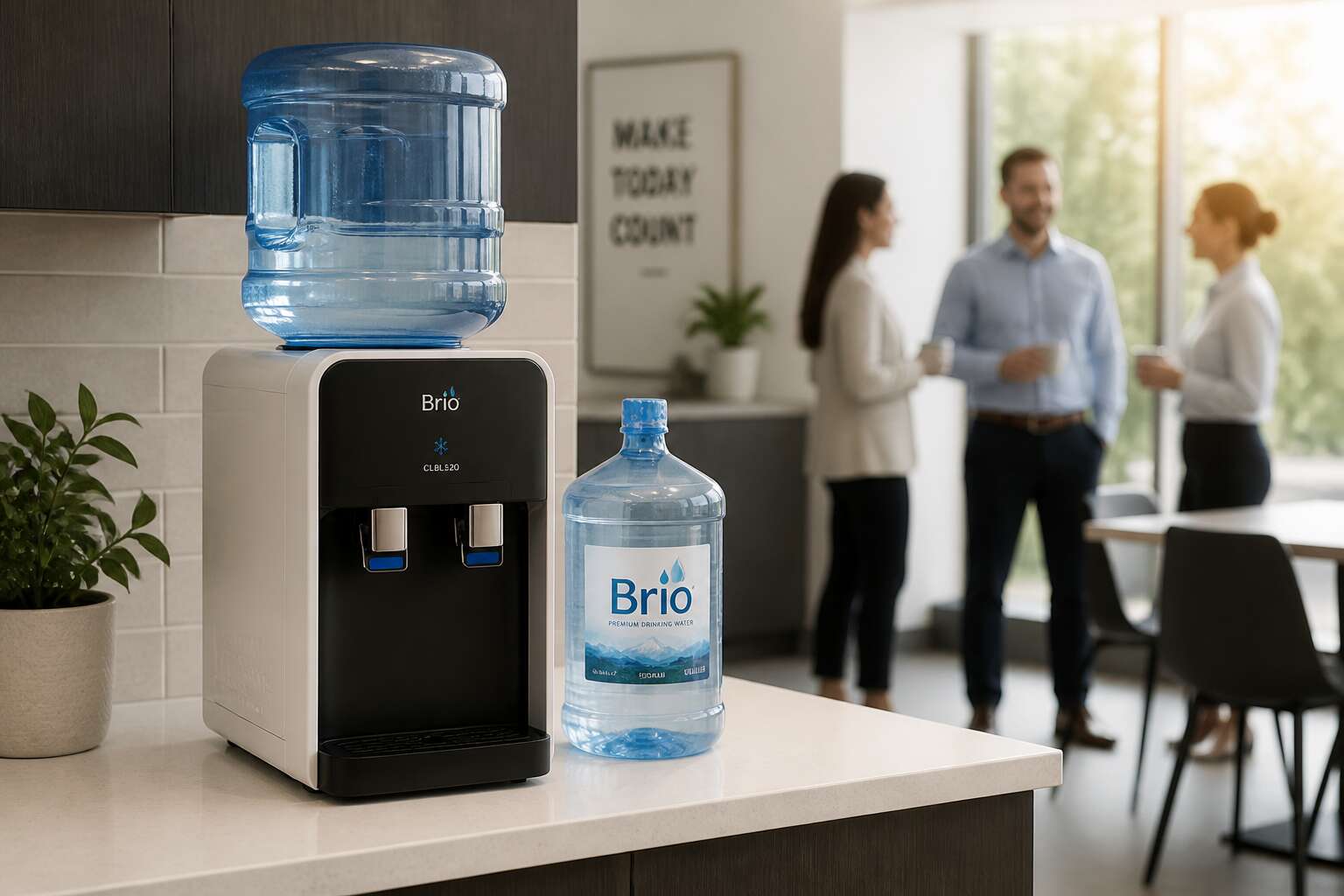
The countertop water dispenser for rent is a study in restraint. It asks for nothing more than a level surface and a power outlet. In South African offices where floor space is a premium, these units offer a quiet solution to the daily hydration dilemma. I have watched employees gravitate toward a countertop model during afternoon meetings, not because it is flashy, but because it simply works.
These compact machines serve a specific psychological need: convenience without commitment. A water dispenser for rent in this category typically includes a few practical features.
- Separate hot and cold taps
- A drip tray that catches every stray drop
- Simple top loading for bottle replacement
The tradeoff is clear. You sacrifice the large reservoir of a floor standing unit for a footprint that fits on a kitchen counter. For temporary setups or small teams, this makes all the difference. The machine disappears into the background, which is precisely the point.
Freestanding and Floor-Standing Models
Floor standing models dominate the water dispenser for rent market for a simple reason: they do not compromise. These are the units you see in factory canteens and boardrooms across Pretoria, the ones with the stainless steel casing and the unmistakable hum. They offer a reservoir capacity that countertop units cannot match, which means fewer bottle changes and less downtime.
When you choose a freestanding water dispenser for rent, you are buying into a system of scale. The typical floor standing unit provides:
- A cold tank that holds up to five litres.
- A hot water tap with a safety lock.
- A drip tray large enough for a coffee mug.
Some models even include a separate compartment for cup storage. The floor footprint is small relative to the output, but the presence is substantial. At a Durban distribution centre, I saw the same unit hold its ground through a full shift, never once failing to deliver cold water on demand. Employees stop looking for the dispenser because it always stands in the same place, a fixed point in a shifting workday.
Bottleless or Point-of-Use Dispensers
In South Africa, the most underrated decision in workplace hydration is whether to skip the bottle entirely. A point-of-use water dispenser connects straight to the mains, filtering and conditioning water as it flows. No jugs to swap, no stockpile on the mezzanine, just a continuous supply from the same source as your kitchen taps.
- Multi-stage carbon block filters handle municipal chlorine.
- Hot water tanks maintain 85°C with a safety tap.
- Separate cold reservoirs store up to four litres.
The trade-off is installation, because these units need a permanent water line and a power point. Your rental contract typically covers the plumbing work. I have seen warehouse teams in Cape Town adopt this model for its reliability. When you weigh the long run, a bottleless water dispenser for rent removes the logistics of packaging entirely.
Hot and Cold Water Dispensers
A single machine that pours ice water at 4°C and boiling water at 85°C sounds contradictory. In South African offices, it is essential. The hot and cold water dispenser answers two demands at once, ending the daily conflict between the fridge and the kettle.
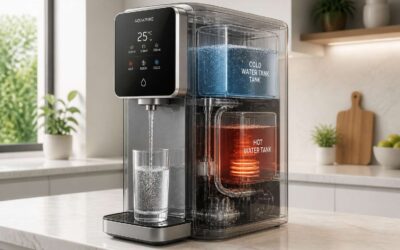
These units run twin reservoirs with separate thermostats. The cold side hovers near 5°C, the hot tank holds a steady 85°C behind a safety tap. No waiting for a kettle to boil, no lukewarm jug left on the counter.
A water dispenser for rent covers both systems under one contract:
- Quarterly thermostat calibration.
- Heating element replacement when scale builds up.
- Sanitisation of the cold water path.
That arrangement suits teams that would rather drink than troubleshoot.
Key Factors to Evaluate Before Leasing a Water Dispenser
Assessing Your Daily Water Consumption Needs
Most offices underestimate their daily water consumption by at least 20%! To avoid this, assess your actual usage before signing any contract for a water dispenser for rent. Start by tracking how many employees fill bottles or cups each day. Then factor in shift overlaps and busy periods.
- Number of staff and their typical consumption per shift.
- Peak usage times, such as morning tea breaks or afternoon hydration spikes.
- Whether you need cold water only or a mix of temperatures for different beverages.
I find that these numbers clarify the right rental size and frequency of service.
Available Space and Installation Requirements
Most offices underestimate the space a hydration station truly needs. A 2023 survey in Cape Town showed that 70% of leases overlooked door clearance until the delivery day. When choosing a water dispenser for rent, measure the floor area first. Account for the unit’s depth, the opening radius of nearby cabinets, and the walking path during tea breaks. Freestanding models require a stable, level surface. Bottleless systems demand a nearby water line plus drainage access. Power outlets also matter, especially in older South African buildings with limited circuits. Consider these installation requirements:
- At least 60 centimetres of clearance above the unit
- Access to a wall socket within 1.5 metres
- Reinforced flooring for floor standing dispenser models
Installation crews often encounter uneven tiles or narrow doorways. Verify the provider’s equipment can handle your entry points. This simple evaluation ensures your water dispenser for rent performs reliably.
Water Quality and Filtration Features
The 2023 Blue Drop Report found that 46% of South African municipal systems fail microbial safety tests. That number changes how you should evaluate any water dispenser for rent. Filtration is the primary function, not a decorative feature. Ask about the filter type, the micron size, and the flow rate. Also ask what happens when the filter reaches saturation.
A solid rental contract covers these essentials:
- Certified removal of chlorine, lead, and protozoan cysts
- A visual or digital service indicator for filter changes
- Stagnation prevention within the internal holding tank
Verify the provider’s testing frequency. Many claim premium filtration yet install basic carbon blocks. Request the latest water quality analysis for your suburb. A water dispenser for rent should deliver water that meets SANS 241 standards, not merely water that arrives cold. Inspect the backflow prevention on the incoming line. That detail separates genuine protection from a costly illusion.
Energy Efficiency and Operating Costs
Standby power draw is the hidden variable in every rental quotation. The compressor and heating element run continuously, and an inefficient unit converts electricity into wasted heat. South African electricity tariffs rise every year, so a dispenser that consumes 0.5 kWh versus 1.2 kWh creates a substantial difference over a 36 month contract.
Ask the supplier for the unit’s standby power draw. That number reveals how much electricity the device uses while sitting idle. I have seen rental contracts omit this figure. A well insulated tank retains temperature without cycling the compressor frequently. Look for units with timers or eco modes.
Operating costs extend beyond electricity:
- Water consumption for bottleless models
- Filter replacement frequency and cost
- Service call fees not covered in the contract
Clarify whether the lease includes all consumables. A water dispenser for rent with a higher fee may still cost less when energy and maintenance are bundled.
Rental Contract Terms and Duration
Most rental agreements fix you to a term, but the fine print determines whether that term works in your favour. I have seen contracts where the water dispenser for rent carries a 36 month commitment with an annual escalation clause in the schedule. That escalation might look small at 8 percent, yet South African equipment leases often outpace inflation.
Review three clauses before signing for a water dispenser for rent:
- The termination notice period and early exit penalties
- Whether the supplier can raise fees mid-contract
- What happens to the unit when the lease expires
A shorter lease with a slightly higher monthly fee usually beats a long contract that leaves you with outdated equipment. Ask about automatic renewal, because some suppliers roll the agreement over without notice. Confirm whether removal costs fall on you at the end of the term.
Finding a Reliable Water Dispenser Rental Provider
Researching Local Rental Companies
Finding a dependable supplier in Johannesburg or Cape Town requires more than a quick online search. I have learned to verify each company’s service record before signing anything. A water dispenser for rent might seem straightforward, but hidden issues like response times and replacement unit availability can disrupt your office or home routine.
Start by compiling a shortlist of local providers. Then check their physical premises and speak directly to their technicians. This approach reveals far more than a glossy website ever will. When you finally choose a water dispenser for rent, you will know exactly who handles maintenance calls and what their actual turnaround looks like.
Ask these specific questions during your research:
- How many backup units do they keep in stock?
- Do they service their own machines or outsource?
- What is their average response time for repairs?
Reading Customer Reviews and Testimonials
Customer reviews reveal what glossy brochures omit. I once spotted a pattern in Johannesburg reviews for a water dispenser for rent: every complaint mentioned the same faulty valve. Three reviewers used identical phrasing, which told me the company had not fixed the issue. Reviews also expose how providers treat smaller clients. Recurring themes across months matter more than isolated gripes.
Testimonials on a provider’s own website deserve scepticism, since they are curated. I hunt for unfiltered opinions elsewhere. I notice how reviewers describe the technicians. Do they mention punctuality? Clean hands? Straightforward answers? These details forecast the service experience.
When I assessed providers in Cape Town, I sorted feedback into categories:
- Response time after a fault report
- Condition of replacement units
- Billing accuracy across the rental period
That list filtered out two reputable companies. The right water dispenser for rent became obvious after I stopped reading marketing and started reading customers.
Comparing Service Levels and Response Times
I once timed a provider’s fault line for three days. The call never connected. That experience taught me to compare service levels before signing anything for a water dispenser for rent. Response times reveal respect for your schedule.
Some rental companies dispatch a technician the same morning. Others promise urgency but deliver silence. Ask how many technicians they employ per hundred contracts. Ask whether they stock spare valves locally. Ask what happens when a unit fails on a Friday afternoon.
- Same-day dispatch or next-day?
- Loaner units available while yours is repaired?
- After-hours emergency line, or only office hours?
The water dispenser for rent that wins my contract is the one whose service agreement names a response window in writing. A vague promise is worthless!
Understanding Costs and Rental Agreements
Understanding Rental Pricing Structures
The true cost of a water dispenser for rent rarely appears on the first quote. Rental pricing structures vary dramatically across South African suppliers, and the disparity between equivalent systems can exceed R500 per month. I have compared dozens of contracts, and the decisive line items are frequently overlooked.
Some providers bundle delivery, maintenance, and filtration into a single monthly fee. Others quote a base price and add surcharges for every service call. Before signing, request an itemised breakdown and compare these components:
- Deposit quantum and refund conditions
- Contract length and escalation clauses
- Filter replacement intervals and costs
- Call-out fees for breakdowns
A higher monthly fee may actually deliver better value if the cheaper competitor charges separately for consumables, so weigh the full picture before committing to a water dispenser for rent.
Hidden Fees and Additional Charges
R120 for “paperwork processing” when you switch your payment method. R95 for an “installation assessment” that involves a single glance at your tap. These phantom charges appear after the contract is signed. Hidden fees in water dispenser for rent agreements routinely inflate the real monthly cost by 20 percent or more.
The most common culprits follow a pattern:
– Installation surcharges for non-standard fittings
– Delivery fees charged per visit instead of once
– Late payment penalties calculated daily
– Termination fees tied to remaining contract months
I have also seen “renewal administration charges” added when a contract rolls over, despite zero administrative work. A water dispenser for rent quote without this detail is incomplete, and the gap between quoted and actual cost will surprise you.
Deposit and Payment Terms
Putting down money before your first cup of water feels counterintuitive. Yet most water dispenser for rent agreements open with a deposit. Expect one to three months’ rental upfront in South Africa. Some suppliers waive the deposit if you provide a surety or a recent payslip. Others charge a non-refundable allocation fee instead.
Payment terms for a water dispenser for rent deserve the same scrutiny. Monthly billing is common, but quarterly and annual options often unlock lower effective rates. The invoicing cycle needs early confirmation. Does the supplier bill on the first of the month or the installation day? That detail shifts your cash flow!
Ask what happens to the deposit when the agreement ends. Refundable deposits depend on machine condition. Criteria include:
- Cosmetic damage versus normal wear
- Original packaging availability
- Completeness of accessories
- Functioning of hot and cold water outputs
Deposit clauses are short, but carry financial consequences.
Included Services and Maintenance Visits
The true cost of a water dispenser for rent surfaces when the unit malfunctions. A cheap monthly fee loses its appeal if you wait three days for a technician. Read the service clause before you sign.
Most rental agreements include scheduled maintenance visits. These should happen every quarter, not only when you call. Confirm the visit covers more than a visual check. A proper visit includes:
- Sanitization of the water lines
- Replacement of pre-filters or carbon blocks
- Testing of hot and cold element temperatures
- Checking for leaks and pressure issues
Ask what is excluded. Drops and cracks from physical impact rarely fall under coverage. Some suppliers charge a trip fee if the problem stems from your plumbing or water quality. Response time guarantees matter. Look for a stated turnaround, like 24 to 48 hours. The agreement’s value lies in the details of these visits, not the glossy brochure. Knowing exactly what happens when you call separates a solid water dispenser for rent contract from a weak one.
Renewal and Cancellation Policies
Contracts show their real terms at the renewal point. The renewal and cancellation policies of a water dispenser for rent determine whether you stay on fair terms or face unexpected costs. Many agreements auto-renew annually, so mark the expiry date. Notice periods vary from 30 to 90 days, and missing them can lock you in for another cycle.
Cancellation clauses often include a removal fee or a penalty for ending early. Some suppliers require you to return the unit in its original condition, which means keeping the packaging. Ask if you can upgrade mid-contract without penalty, as needs change.
Read the exit terms before you sign, not when you leave. A straightforward policy gives you freedom, while a convoluted one creates friction.
Negotiating the Best Rental Deal
In South Africa, a water dispenser for rent can range from R250 to R700 per month, yet the quoted figure rarely reveals the full picture. Delivery, installation, and consumables sit outside the headline rate. The agreement determines whether those costs stay predictable.
I’ve watched companies sign the first quote, then face escalation clauses. Suppliers expect a conversation about the monthly fee, especially when you commit to a longer term. A multi-year agreement can reduce the rate, but it trades away flexibility.
Certain cost components are more negotiable. The rental fee is open to discussion, along with delivery intervals and sanitisation schedules. Providers in South Africa may absorb a once-off installation fee when you sign before month-end or bundle multiple units for the same premises.
The total cost of a water dispenser for rent becomes clear only with a written breakdown. Verbal promises carry little weight.

0 Comments