Water Dispenser Maintenance Frequency and Best Practices
Core maintenance tasks
A well-maintained water dispenser keeps teams hydrated and productive. Industry benchmarks note a well-tuned unit can cut downtime and waste, especially in scorching South African summers. Smooth operation reduces line clogs and accidental spills, saving time during peak shifts.
How often should water dispensers be serviced? The standard guidance is every 3 to 6 months, with more frequent checks in high-usage sites. Core maintenance tasks focus on cleanliness and parts integrity:
- Reservoir descaling and sanitising
- Scheduled filter replacement
- Inspection of hoses, seals and fittings for leaks
Scheduled attention keeps beverage quality high and equipment resilient.
Service intervals by unit type
When the South African summer cranks up the heat, your office water dispenser becomes more than a convenience—it’s a hydration lifeline. So how often should water dispensers be serviced? The standard guidance is every 3 to 6 months, with more frequent checks in high-usage sites. Consistent service keeps beverage quality high and machinery calm, especially during peak shifts.
By unit type, the tempo shifts to match how hard the unit works.
- Point-of-use units: about every 3–6 months
- Freestanding bottled dispensers: roughly every 4–6 months
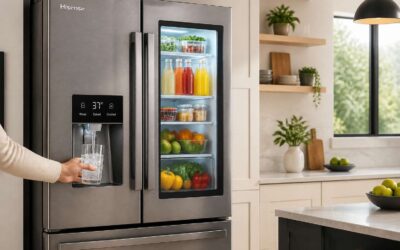
- Refrigerated units with compressors: around every 4–6 months
Regular, unobtrusive attention helps maintain performance and esprit de corps, turning occasional downtime into nothing more than a momentary pause for refreshment.
Key factors influencing frequency
In South Africa’s bustling offices, the summer sun can turn a simple water tap into a lifeline. Hydration is a quiet anchor, yet a neglected dispenser can drift toward rumble and rust. So how often should water dispensers be serviced? The answer isn’t one-size-fits-all; cadence depends on demand, dust, and how the unit earns its keep under peak shifts.
Consider the forces that shape frequency:
- Usage volume and peak hours
- Water quality and microbiological risk
- Ambient temperature and dust exposure
- Dispenser design and internal components
- Proximity to service providers and maintenance history
With that framework, regular, unobtrusive checks keep beverage quality high and morale steady, turning downtime into a momentary pause for refreshment.
Scheduling and provider selection
Heat and hustle define South Africa’s offices, where a thirsty team becomes a frontline metric of performance. ‘Hydration is a quiet anchor,’ a facilities manager reminds me, and the dispenser is its compass. I’ve watched corners grow tense when the flow falters, and rust waits at the hinge.
So how often should water dispensers be serviced? The answer rests on demand, dust, and duty—how the unit earns its keep during peak shifts—and on the water you pour through it. In high-use environments, monthly checks with quick sanitising are prudent; in calmer settings, quarterly visits with water-quality tests can suffice. SANS 241-compliant testing keeps the dialogue honest.
To navigate this, invite a partner who offers clear scheduling and a transparent maintenance history. Consider these criteria:
- Responsive turnaround
- Local coverage
- Certifications
- Genuine parts and calibration
- Documented water-quality checks


0 Comments