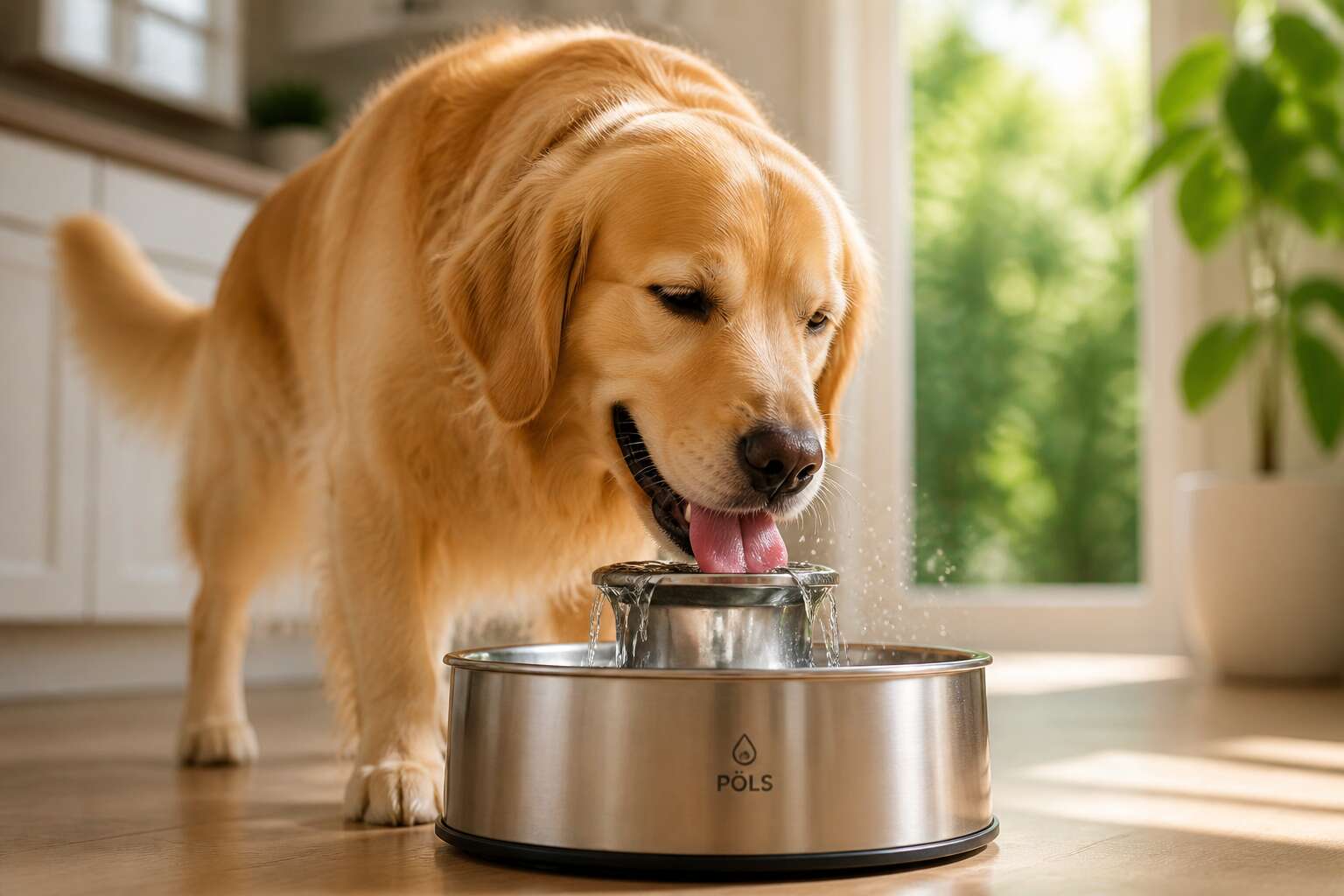
Why Proper Hydration Matters for Canines
The Importance of Fresh Water for Dog Health
A dog’s body consists of up to 80% water, a fact that transforms how we view their daily drinking habits. Without adequate hydration, a canine’s organs begin to strain, and even mild dehydration can impair their natural vitality. Fresh water influences digestion, joint lubrication, and temperature regulation.
Consider the water dispenser dog owners trust. A continuous supply of clean, oxygenated water encourages dogs to drink more frequently, especially during South Africa’s warmer months. Stagnant bowls harbour bacteria and lose their appeal, while a dispenser maintains freshness around the clock.
Pet owners should observe these signs of optimal hydration:
- Elastic skin that returns quickly when gently lifted
- Moist gums and a cool nose
- Steady energy levels throughout the day
Incorporating a reliable water dispenser dog solution ensures your companion avoids the health risks of dehydration.
Signs of Dehydration in Dogs
Hydration is the silent currency of a canine’s physiology, governing every cellular transaction within their body. When water becomes scarce, even briefly, the blood thickens and the heart labours against a rising tide of viscosity. The kidneys, those stoic filters of waste, begin to demand more fluid than the dog is taking in, creating a quiet deficit that compounds with every passing hour. This is particularly acute in the South African climate, where the sun bears down with a relentless authority and moisture evaporates from every available source.
A dog’s body will telegraph its distress through unmistakable signals, though these signs often masquerade as simple lethargy or stubbornness. The owner who misreads these cues risks allowing a manageable issue to spiral into a veterinary emergency. Consider the following indicators that your companion is entering dangerous territory:
– A dry, tacky feel to the gums, distinct from the normal slick moisture
– Sunken eyes that appear to retreat into the skull
– Skin that tents upward when pinched and returns slowly, if at all
– Panting that continues unabated despite rest and shade
– A sudden disinterest in food or favourite activities
The subtlety of these symptoms makes them easy to overlook, particularly in the early stages. A dog suffering from mild dehydration may simply appear tired, and owners often attribute this to the heat rather than to a genuine fluid deficiency. The distinction matters because the correction requires more than a single bowl of water; it demands consistent, available hydration. This is where a water dispenser dog setup proves its worth, offering a steady reservoir that keeps pace with a thirsty animal’s needs without requiring constant human intervention. The alternative, a bowl that sits empty for hours under the African sun, becomes a monument to neglect rather than a source of sustenance.
How Much Water Should a Dog Drink Daily?
Water constitutes roughly 70 percent of a dog’s body, a proportion that dictates every metabolic transaction from nutrient absorption to joint lubrication. When that balance slips, the body begins rationing resources. The daily requirement, however, is not a universal constant. Most veterinary guidelines recommend 50 to 60 millilitres of water per kilogram of body weight, adjusted for diet and activity.
- Dogs on dry kibble need more water than those on wet food
- Working and active dogs require higher intake on hot days
- Puppies and nursing mothers have elevated needs
Consider a 25 kilogram dog with a baseline of roughly 1.5 litres per day. In the South African climate, that figure climbs steadily through summer. A water dispenser dog removes the guesswork from this equation, offering a visible reservoir that shows at a glance whether intake matches demand. Owners who understand these numbers can intervene early.
Factors That Increase Water Needs
Every electrochemical impulse in a canine body depends on water. Without sufficient fluid, blood thickens, the kidneys strain, and the brain loses its regulating precision. A dog’s body has no water storage facility; it relies entirely on what the owner provides. A water dispenser dog removes the gap between thirst and access, making fluid constantly available.
Several conditions escalate the requirement beyond baseline calculations. High ambient temperatures force evaporative cooling through panting, drawing heavily on fluid reserves. Senior dogs with declining kidney efficiency often produce diluted urine, losing water faster than younger counterparts. Medications such as corticosteroids and diuretics directly increase urinary output.
- Elevated sodium from salty treats demands extra water for renal excretion
- Fever or gastrointestinal distress accelerates fluid loss
Each factor shifts the physiological balance. A water dispenser dog accommodates these fluctuating demands, ensuring supply never lags behind need.
Choosing the Right Automatic Drinking System
Gravity-Based Water Containers
Selecting a gravity-based water container for your dog demands more than a glance at the price tag. A typical water dispenser dog setup pours water into a bowl only when the level drops, but the quality of that flow varies dramatically across brands. In South Africa, where temperatures can spike, the material matters. Plastic versions may leach odours, while stainless steel or BPA free alternatives hold up better.
- Reservoir capacity relative to your dog’s daily intake
- Stability of the base against enthusiastic nudges
- Ease of disassembly for proper cleaning
From my experience, the valve mechanism decides whether you get a steady trickle or a sudden gush. A poor valve turns the entire container into a source of constant spills. Matching the system to your floor type and your dog’s drinking habits prevents wasted water and constant mopping.
Electric Circulating Fountains
Most dogs won’t drink water that has been sitting for a day, yet we rarely notice. Electric circulating fountains change that by keeping water in constant motion. When I evaluate a water dispenser dog fountain for my own pack, I check three critical points:
- Pump noise level, especially for light sleepers
- Filter accessibility for quick swaps
- Low water shutoff to protect the pump
A fountain with a submerged pump and a charcoal filter handles South African tap water well, but you must descale it monthly. The water movement appeals to finicky drinkers and reduces cleaning frequency. Just remember, a circulating system needs electricity, so position it near a plug point and protect the cord from curious teeth. The hum becomes part of the household rhythm!
Filtered vs. Non-Filtered Options
Selecting between filtered and non-filtered automatic drinking systems often comes down to local water quality. In parts of South Africa, municipal water carries a mineral profile that leaves deposits inside a dispenser. A filtered water dispenser dog unit uses activated carbon to remove chlorine and sediment, resulting in cleaner tasting water and less frequent scrubbing of the reservoir.
Non-filtered systems are simpler and cheaper to maintain, but they demand more attention. They require emptying and rinsing every couple of days, especially in warm climates where biofilm forms quickly. The main considerations include:
- Filter replacement cost and availability in South African pet stores
- Pump chamber accessibility for descaling
- Material durability against UV exposure near a window
A water dispenser dog fountain without a filter can perform well with daily water changes. For households with multiple dogs or hard tap water, the filtered route usually saves time over the long term.
Capacity Considerations for Small and Large Breeds
When selecting a water dispenser dog unit, reservoir capacity should match your dog’s drinking volume. A Chihuahua may consume under 250 ml daily, while a Boerboel can easily drink two litres or more. Buying a system too small means refilling multiple times daily.
For multi dog households, consider the combined intake. Choose a reservoir holding at least two days’ worth of water for hot afternoons and playful excursions.
Consider these points when matching capacity to breed size:
- Small breeds benefit from compact reservoirs under two litres, which reduce water stagnation and encourage fresh refills.
- Large breeds require reservoirs above three litres, ideally with a wide base to prevent tipping.
- Work from height differences. A low drinking lip suits smaller dogs, avoiding neck strain.
An oversized reservoir for a small dog invites biofilm buildup before the water is consumed. A water dispenser dog fountain with a narrow throat also resists cleaning.
Noise Levels and Picky Drinkers
If your kitchen echoes with the sound of a mechanical gurgle at 2 AM, silence becomes a luxury. Many electric models generate audible hums, pump vibrations, and splashing. A thirsty Labrador will not care, but you will. Look for a unit with a submersible pump hidden inside the reservoir, as these dampen motor noise considerably. Top tier models operate at under 40 decibels, which is quieter than a whispered conversation, but budget options often rattle like a coffee machine losing its temper. Test the unit before committing, or check online reviews specifically mentioning “quiet pump.”
Picky drinkers present a separate headache. Some dogs distrust moving water, refusing to approach a bubbling fountain. Other canines refuse to drink from plastic, detecting off flavours that humans cannot perceive. Stainless steel or ceramic surfaces often resolve this standoff. If your dog still snubs the bowl, verify the water dispenser dog unit uses a low flow setting, since a vigorous jet can frighten timid animals. A gentle stream, rather than a chaotic splash, mimics a natural spring. Add a carbon filter to neutralise chlorine and mineral tastes. The right system turns a suspicious sniff into a long, satisfied drink.
Material Safety: Plastic, Ceramic, and Stainless Steel
Material safety determines how long your water dispenser dog system remains a healthy fixture. Plastic polymers degrade over time, especially in harsh detergents or direct sunlight. BPA free does not mean inert forever. Micro cracks harbour bacteria that resist any cleaning routine.
Stainless steel offers a different profile. It resists corrosion, withstands enthusiastic chewing, and does not absorb odours. The downside involves visibility. You cannot see the water level without a separate gauge. Ceramic sits in the middle, heavy enough to stay anchored but fragile if dropped.
Compare these options:
- Plastic suits budget buyers but needs replacement every six months.
- Stainless steel gives longevity and easy sanitising.
- Ceramic keeps water cooler but requires careful handling.
Each surface interacts with the water in subtle ways. A scratched steel bowl can release metallic ions. A glazed ceramic vessel might contain lead in the coating. I always check for food grade certification before settling on a unit.
Key Features to Prioritize for Convenience and Cleanliness
Ease of Disassembly for Washing
Cleaning a water dispenser dog requires regular attention, yet the effort depends entirely on how quickly the device comes apart. A model that separates into two or three components makes the chore far more manageable. Look for wide openings that let you reach every corner of the reservoir without contorting a brush at awkward angles.
If the pump housing and basin detach in seconds, you will actually clean it more often, and that habit matters more than any filter or material specification. Some dispensers hide crevices where biofilm collects, so visible seams and simple connections outperform sleek, one-piece designs. Consider these features when comparing models:
- A basin that lifts off without unclipping hoses
- A pump that disassembles without tools
- A lid that exposes the entire water surface
Each element shortens the time between washings, which keeps your water dispenser dog safe for every thirsty midday drink.
Dishwasher-Safe Components
There is a simple pleasure in lifting the basin from your water dispenser dog and sliding it into the dishwasher. That motion determines whether you keep the device clean or let it decay. Dishwasher-safe components should be the first feature you verify, not an afterthought. I always check the dishwasher rating before any other specification.
Every removable piece must survive repeated hot cycles without warping or clouding. The reservoir, the pump cover, and the nozzle all need materials that forgive daily use. Look for bases stamped with clear top-rack labels. Stainless steel, BPA-free plastic, and ceramic respond to heat differently, so choose substantial parts over thin walls.
- The lid, which should stay flat after every wash
- The float valve, which often traps residue
- The motor casing, which must detach without tools
A dishwasher-safe design turns a tedious chore into a two minute habit. That convenience protects your dog daily.
Low Water Level Indicators
A 20 kilogram dog drinks roughly a litre of water every day, but most owners cannot say exactly when the reservoir ran dry. A low water level indicator solves that problem. It tells you the truth without opening the lid. I look for this feature before almost any other.
Good indicator designs include:
- A floating disk that drops as the level falls
- A transparent window on the reservoir wall
- A visible marker at the minimum fill line
Each refill becomes a deliberate act. You open your water dispenser dog only when the gauge says so. This reduces how often dust and hair reach the water. The indicator also protects the pump from running dry, which extends the motor’s lifespan. A quick glance replaces guesswork, and your water dispenser dog stays cleaner between washes.
Pump Reliability and Replacement Parts
Convenience and cleanliness start with how the unit comes apart. A water dispenser dog with a wide mouth reservoir and a pump that lifts out without tools makes weekly washing less of a chore. I appreciate a design where the motor housing stays dry and separate from the water path.
Pump reliability matters more than the brand name. Choose a pump rated for continuous operation, since these units run for hours. Replacement parts should be easy to source.
- A removable pump base with a sealed impeller housing
- Replacement filters and pump motors available locally
- Cord length that reaches your power point without extensions
A pump that fails in six months forces you to buy a whole new unit, unless spare parts exist. Check the manual for part numbers before you buy. That small effort keeps your water dispenser dog from sitting unused in the cupboard.
Anti-Slip Bases and Cord Management
In a busy South African home, a clumsy paw or a hurried elbow can send a poorly anchored water dispenser dog sliding across smooth tile. The result is a puddle, a slip hazard, and a thirsty pet.
Prioritise a base with grip. Rubber pads or a weighted footprint hold the vessel steady on stone, vinyl, and timber flooring. Cord management matters equally. A trailing cable invites chewing and creates trip risks, especially in the dark.
- Recessed cord channels that keep the wire flat against the floor
- Anti-slip feet designed for high-traffic kitchen areas
Load-shedding schedules mean unplugging is routine. A tidy cord wrap saves real frustration during those interruptions. The right water dispenser dog stays upright through tail wags and sudden movement.
Maintenance Routines to Keep Water Fresh
Daily Checks and Refilling Tips
Any water dispenser dog needs daily attention to prevent stale water and bacterial growth. Start each morning with a full empty, not a quick top up. Wipe the spout and the rim where biofilm forms. Use fresh tap water from a clean jug to avoid introducing minerals.
- Empty the reservoir completely.
- Scrub the interior with a soft cloth.
- Rinse twice with clean water.
- Refill and run the pump for two minutes.
This routine takes less than five minutes. Weekly, soak the removable parts in mild soapy water. Check the pump inlet for fur or grit. A consistent schedule extends the life of your unit.
Weekly Deep Cleaning Procedures
A water dispenser dog unit accrues its own quiet archaeology, layer upon layer of mineral scale and organic residue. Weekly, the true cleaning begins. Disassemble the entire apparatus, not merely the visible basin. The pump housing, the float valve, every silicone gasket. Soak these fragments in warm water with a splash of white vinegar, which dissolves the calcium deposits that tap water in South Africa often leaves behind.
- Remove the pump and gently tease out hair wrapped around the impeller.
- Submerge the spout and nozzle in the vinegar solution for ten minutes.
- Scrub the reservoir neck with a narrow bottle brush to reach the threads.
Rinse each piece under running water until the vinegar smell vanishes, then reassemble and run fresh water through the system for several minutes. This weekly ritual prevents the faint mustiness that lingers even after daily wiping. A water dispenser dog that receives this deeper care rewards you with cleaner water and a quieter pump, free from the strain of clogged internals.
Dealing with Algae and Biofilm
Algae and biofilm do not announce themselves with dramatic flair. They arrive as a faint slickness on the reservoir wall, a whisper of green near the waterline. In South Africa’s warmer climate, sunlight through a window can turn a neglected corner of your water dispenser dog into a microcosm of growth. The biofilm, that invisible consortium of bacteria, forms a protective film that resists simple rinsing.
The enemy is stagnation. A unit that sits idle for days gives algae the foothold it needs. Positioning the dispenser away from direct sunlight reduces photosynthetic fuel. But placement alone will not save you, because biofilm adheres to pump internals and hose bends where light never reaches.
For stubborn buildup, try this sequence:
- Empty the reservoir completely and wipe the interior with a soft cloth.
- Use a diluted hydrogen peroxide solution on affected surfaces, then rinse thoroughly.
- Dry every component fully before reassembly.
Regular turnover of water, not just top-ups, breaks the life cycle of these organisms.
Replacing Filters and Pumps
A filter’s lifespan is measured in weeks, not months. In a water dispenser dog, the carbon cartridge loses effectiveness after four to six weeks of constant use. South Africa’s varying water hardness accelerates this process. If the flow narrows or the taste changes, replace it.
Pump maintenance demands regular attention. Remove the pump and check the impeller for debris. Calcium scale builds up quickly in warmer regions. Soak the pump in a mild citric acid solution monthly, then rinse and dry. Inspect rubber seals for cracks, as a failing seal lets air in and reduces flow.
- Replace filters every four to six weeks
- Inspect pump seals monthly
- Run a citric acid rinse each month
For a water dispenser dog, use manufacturer parts for replacements. Tolerances are precise, and a mismatched piece strains the motor. Keep a spare filter on hand so you never miss a change.
Cleaning Solutions Safe for Pets
A water dispenser dog collects invisible residue long before you notice it. South Africa’s mineral-rich water leaves deposits on every inner surface. The routine matters as much as the solution. Quarter a lemon and rub it along the interior walls, then rinse with warm water. Lemon’s mild acidity breaks down scale without leaving a chemical film behind.
Bleach is tempting but wrong. It lingers in small gaps and a dog’s sensitive nose picks it up for days. Instead, use a solution of one part white vinegar to three parts cooled boiled water. Soak removable parts for ten minutes, then scrub with a dedicated brush.
- Wipe the basin daily with a damp microfibre cloth
- Wash the lid and spout every second day
- Dry all parts fully before refilling
Keep soap away from the motor housing. A water dispenser dog thrives on this simple rhythm, and your dog drinks with confidence.
Helping Your Dog Transition to a New Hydration Device
Introducing the Device Gradually
Swapping your dog’s water bowl for a new appliance can cause confusion. A sudden change often triggers hesitation, even in thirsty pets. The trick is to make the transition feel like an upgrade, not a shock.
Start by placing the water dispenser dog beside the old bowl. Keep both filled for two or three days. Your dog will investigate the new device on their own terms. Once they drink from it regularly, move the old bowl a few steps away each day.
- Use the same water temperature in both containers.
- Praise your dog when they approach the new dispenser.
- Remove the old bowl only after consistent use.
This gradual approach reduces stress and builds positive associations. Most dogs adapt within a week. Patience here prevents future refusals.
Placement Strategies to Encourage Use
Placement shapes how quickly your dog accepts a new water source. A water dispenser dog will be judged by its location before anything else. Set it near the original bowl spot, against a wall, and away from washing machines or dryers. Those noises can make a cautious drinker retreat.
- Choose a low traffic area where your dog can drink without being startled.
- Use a non slip mat on tiled or wooden floors.
- Shift the dispenser a few centimetres each day towards its permanent position.
Watch your dog’s body language. If they sniff and step back, the spot feels exposed. Move it to a corner with a clear view of the room. I’ve learned to let them claim the space first. That ownership removes suspicion!
Training with Treats and Positive Reinforcement
A sudden shift in drinking habits often stems from hesitation, not thirst. Your water dispenser dog unit is an unfamiliar object in their territory. I find that patience alone does not secure acceptance.
Training with treats rewires that initial suspicion. I place a piece of biltong near the base, then closer to the spout. This creates a positive loop!
- Let them sniff the empty device.
- Reward any curious glance.
- Place a treat on the reservoir.
- Praise them while they drink.
This reinforces that the new fountain is a source of good things. The device becomes associated with rewards, not threats. In a warm climate like South Africa, their hydration depends on this trust.
Troubleshooting Aversion or Disinterest
Some dogs need more than treats. The transition can stretch for days. I have seen a water dispenser dog unit ignored for a week before curiosity takes over. Observe without hovering. Stand at a distance and let the dog approach on their own terms.
If aversion persists, scrutinise the sensory details of your water dispenser dog setup. The pump hum may be the culprit. New plastic and rubber smells can offend sensitive noses. Run a full cleaning cycle before first use to remove factory residues that dogs detect far better than we do.
Common reasons for refusal include excessive noise, an unfamiliar location, a glowing indicator light, or a vibrating pump base. Each factor produces a distinct behavioural response. A dog that refuses the fountain but drinks from a bowl elsewhere is telling you something specific about the environment, not about their thirst. A water dispenser dog unit placed in a high traffic corridor may cause the same hesitation. A quiet corner with clear sightlines produces a different response entirely.
When to Consult a Veterinarian
A successful transition to a water dispenser dog unit follows its own timeline. Some dogs lap from the new bowl within an hour. Others circle it for days. The span itself tells you little. What matters is whether the dog drinks elsewhere and maintains normal energy.
When refusal arrives with physical symptoms, the situation shifts. A dry mouth, sunken eyes, or repeated gagging indicate dehydration or illness, not preference. Veterinary consultation becomes necessary if the dog avoids every water source for more than 24 hours.
- Check gum colour and moisture twice daily
- Weigh your dog weekly to detect rapid loss
- Document vomiting episodes with timestamps
These records help the vet distinguish behavioral resistance from metabolic disease. A quiet change in drinking habits often signals a developing problem.

0 Comments