Why Choose a Ceramic Dispenser?
Aesthetic Appeal of Natural Materials
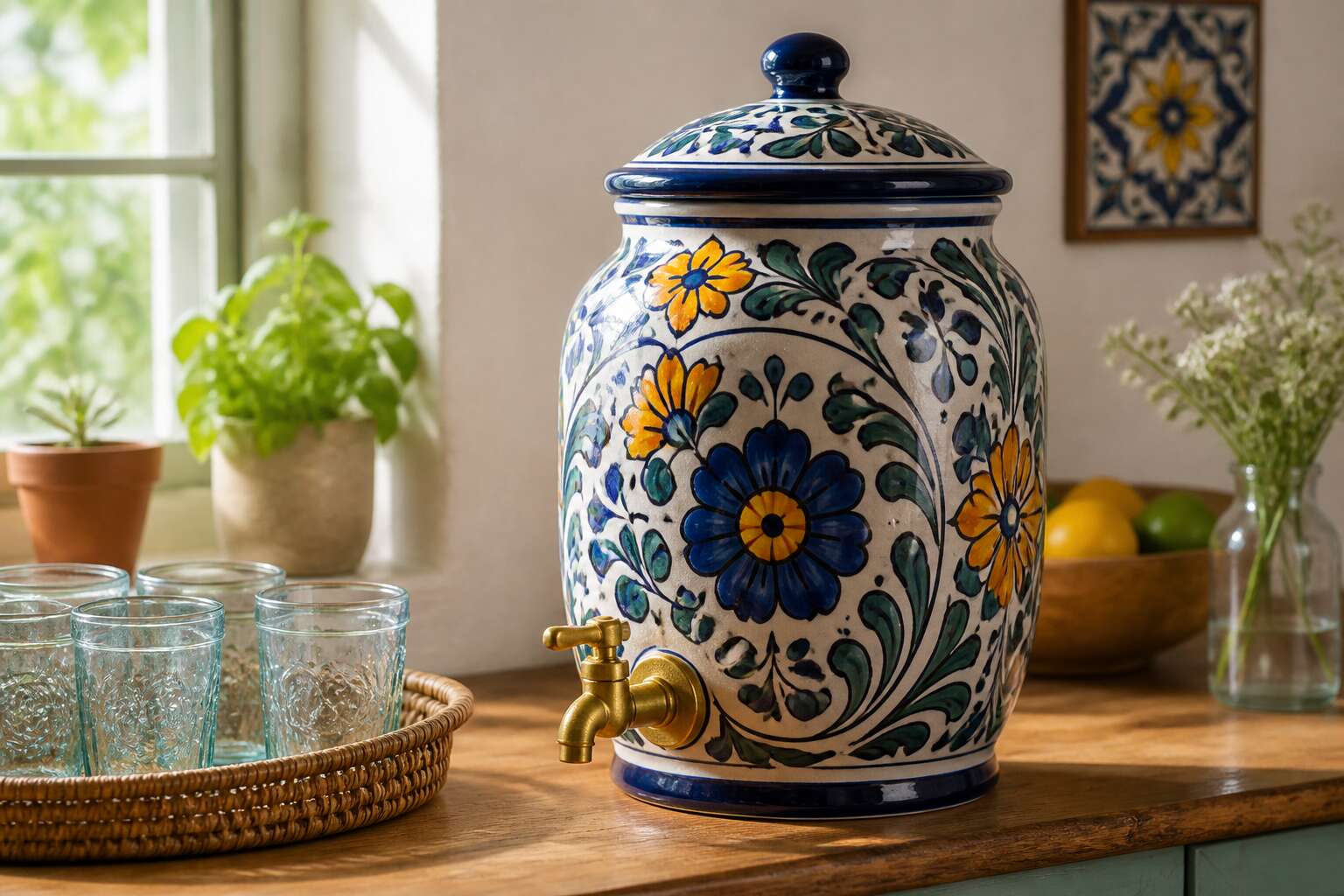
In a home where plastic bottles accumulate and steel dispensers hum, a ceramic water dispenser introduces a different presence. The clay body holds warmth, and the glaze catches morning light as no polymer ever will. People pause beside these vessels, tracing the irregularities left by the potter’s wheel.
Each vessel bears the marks of its making. A ceramic water dispenser carries slight variations in thickness and tone, evidence of a human hand. This authenticity matters in a world of mass production! Consider the visual attributes that matter:
- The matte or glossy finish changes with the day’s light
- Unglazed sections allow natural evaporation and cooling
- The heavy base provides stability on uneven surfaces
When afternoon sun slants across the table, the dispenser becomes part of the room’s character. Its natural materials connect the indoor space to the outdoors, a reminder of the clay beneath South African soil.
Temperature Stability: Keeping Water Cool or Hot
At 11:00 in Johannesburg, tap water often approaches room temperature. Yet a ceramic water dispenser holds a steady chill throughout the afternoon. Clay’s cellular structure slows thermal exchange, while porous sections release moisture that draws heat away. The result is a difference you can measure. This matters when you need a cold glass without waiting for the fridge.
On the other end of the spectrum, these vessels keep hot water workable for longer periods, which suits tea or instant coffee. The thick walls become a buffer against sudden temperature swings. Water poured from the dispenser stays at the intended warmth, whether the room is sticky or air-conditioned. This passive regulation requires no electricity. It is a quiet function, yet one that changes daily routines in a climate like South Africa.
Eco-Friendliness and Sustainability
South Africans throw away over two million plastic bottles every hour. A ceramic water dispenser sidesteps this waste stream. Clay fired once becomes a vessel that outlasts generations. No chemical leaching, no microplastics, no reliance on petrochemical refining. The glaze is non-toxic and the supply chain is often local, which shrinks transport emissions. Consider what your dispenser avoids:
- Reusable for decades with simple care
- Biodegradable at end of life
- Repairable rather than replaceable
That durability turns sustainability into a daily act. Each refill from your tap replaces a plastic unit that would otherwise travel, degrade, or persist. In a water-scarce country, choosing a ceramic water dispenser aligns with conservation in a way that feels deliberate!
Health Benefits: No Plastic or BPA
The modern South African kitchen hums with good intentions, yet we flinch when discussing what lurks in our water bottles. Plastic containers, especially those left in a warm car, graduate from container to contaminant. They leach with alarming ease:
- Bisphenol A, an oestrogen lookalike
- Phthalates, which grow more mobile in heat
- Antimony, a catalyst that refuses to leave
A ceramic water dispenser, thankfully, is a silent abstainer. Its fired surface offers nothing to the liquid. No chemical migration. No plastic aftertaste. I recall a friend swearing her recurring headaches were a mystery. She switched to clay and the mystery evaporated. Coincidence, perhaps. But I would rather trust the ceramic water dispenser than a polymer bottle when my health is the one doing the drinking.
Types of Ceramic Dispensers
Freestanding Ceramic Coolers
A freestanding ceramic cooler asks for nothing more than a corner and a power point. That simplicity explains why these units dominate the market for homes without built-in plumbing. The ceramic water dispenser sits as a self-contained appliance, ready to serve in a dining room, a home office, or a sunroom.
Two main configurations exist.
- Top-loading models require lifting a heavy bottle onto the neck.
- Bottom-loading versions keep the bottle hidden behind a cabinet door and use a small pump to draw water upward.
Many South African buyers prefer the bottom-loading style because it also offers extra shelf space for cups and glassware. For smaller households, a countertop unit provides a ceramic water dispenser without taking up floor space. Full-height towers remain the best option for larger families, especially those who entertain regularly. The key is to measure the available area and consider how often you will refill the vessel before making a choice.
Dispensers with Ceramic Filters
A single ceramic filter element traps particles as small as 0.5 microns, smaller than most bacteria. That filtration power requires no plastic cartridges or chemical additives. The ceramic water dispenser with a ceramic filter runs on a simple physical process. Water pushes through microscopic pores in fired clay, removing sediments, protozoa, and cysts.
Silver in the ceramic stops bacteria from breeding on the filter surface. The element stays self-sterilizing between pours. Maintenance is straightforward. Scrub the outer layer with a soft brush under running water. A fresh filtering surface emerges each time.
Some configurations use countertop units. Others fit inside bottom-loading towers. South African homes on municipal supply often choose this type to improve taste without sacrificing essential minerals.
Advantages:
- Removes pathogens while preserving calcium and magnesium
- Gravity-fed models need no electricity
- Elements last up to a year before replacement
The ceramic water dispenser becomes a low-maintenance option for practical households.
Commercial and Industrial Options
Beyond private kitchens, the ceramic water dispenser moves into commercial and industrial settings with ease. Hotels, schools, and restaurants across South Africa mount wall units that filter water on demand for staff and patrons alike. These installations handle steady traffic without the need for plastic filters or replacement cartridges.
Industrial configurations pair ceramic elements with pressure pumps to manage high volume throughput. These systems serve daily demand that would overwhelm a gravity fed countertop model, making them a practical choice for processing facilities and large catering operations.
- Wall mounted dispensers suit kitchens and service areas
- Floor standing units accommodate waiting rooms and cafeterias
- Inline ceramic systems attach directly to existing plumbing
Every format keeps the mineral preserving properties of ceramic filtration while handling continuous use. A ceramic water dispenser in a commercial venue reduces bottled water expenses and simplifies maintenance schedules.
Decorative and Artistic Designs
Somewhere between utility and ornament, the ceramic water dispenser becomes a vessel for South African artistry. Local studios shape vessels with hand carved etchings, bold glazes, and patterns drawn from Ndebele beadwork or Cape Dutch motifs. These are not showpieces; they hold real drinking water and pour it faithfully!
- Hand painted protea and fynbos imagery
- Textured matte finishes for modern interiors
- Sculptural bases that echo traditional calabash forms
A decorative ceramic water dispenser can anchor a dining room corner or a hotel lobby without hiding behind cabinetry. Collectors commission bespoke pieces, while galleries stock limited runs from ceramicists in Pretoria, Durban, and rural KwaZulu-Natal. The material’s surface, when sealed correctly, tolerates the oils and heat of human hands, so the object stays vibrant through years of use.
How to Choose the Right Ceramic Dispenser
Capacity and Size Considerations
Water consumption in a South African household can double during a heatwave. A family of four can easily drain ten litres before sunset on a warm day. Choosing the right ceramic water dispenser capacity means measuring that peak demand, not your weekday average. Physical footprint matters equally. Measure the width of your worktop, the clearance below overhead cabinets, and the distance from the nearest tap. These measurements prevent a common mistake: buying a vessel that fits the aesthetic but not the space. I recommend this sequence of checks:
- Count regular users and their daily consumption
- Measure counter depth and ceiling clearance
- Estimate tap distance to calculate refill effort
An undersized ceramic water dispenser forces constant refilling, while an oversized one wastes surface area. Keep the dimensions visible and honest, and you will find a balance between convenience and your available floor plan.
Filtration System and Maintenance Ease
Filtration logic changes with your source water. Municipal supply in Johannesburg and Cape Town carries chlorine and sediment, while borehole users face different minerals. A ceramic water dispenser with a silver-impregnated element handles bacteria, but you may want a carbon block for taste and odour. The cartridge should be easy to access. Some models hide the housing behind a screw plate, making replacement an ordeal.
Maintenance ease is the quiet factor that determines longevity. Look for a dispenser where the ceramic candle lifts out without draining the tank. A weekly spout wipe and monthly element soak keeps flow steady. When the candle discolours or slows, replacement should take under five minutes. For homes with variable pressure, the filter type and housing matter most:
- Check whether the filter is standard or proprietary, since South African stockists stock generic candles.
- Confirm the housing material withstands boiling water if you descale.
Material Quality and Durability
The hidden adversary of any ceramic water dispenser is invisible wear. Micro-cracks in inferior grades trap moisture, seeding mold over time. When you evaluate material quality, press your thumb against the base. A dense, heavy body indicates thorough vitrification; a chalky ring suggests porosity. Ask whether the glaze contains lead or cadmium, common in cheap imports sold across South Africa.
Durability also depends on firing temperature. High-fired stoneware resists thermal shock better than earthenware, which matters during a Highveld thunderstorm or a Karoo heat wave. Inspect the rim and spout for even coating; chips there expand quickly. A colleague once bought a decorative model that wept water through its unglazed foot. For serious daily use, choose a ceramic water dispenser with a published clay body and a transparent warranty. Address the firing specifications directly with the seller if you rely on well water at high pressure.
Brand Reputation and Customer Reviews
Brand reputation carries a weight that specifications cannot capture. I have watched manufacturers with two decades of South African retail history weather drought cycles, load shedding, and shifting water chemistry. Their ceramic water dispenser models evolve with field data rather than design trends. Customer reviews reveal patterns in spout flow rates, lid fitting, and replacement part availability that product photography hides.
Scan reviews for specific mentions of delivery damage and after-sales response. Look for repeated praise about the ceramic water dispenser maintaining water temperature. A single critical review is noise. Thirty critical reviews about hairline cracks are a signal.
- Brands with local replacement part stock respond faster to breakdowns
- Sellers with physical South African warehouses reduce shipping risk
- Warranty claims processes that operate without lengthy email chains
Word of mouth from neighbours in your climate zone outweighs international ratings. A brand that answers the phone when your dispenser leaks during a thunderstorm has earned its reputation.
Additional Features: Cooling and Heating
Johannesburg summers do not negotiate. When the mercury climbs past thirty degrees, a ceramic water dispenser’s cooling system separates refreshment from compromise. Thermoelectric coolers struggle in such heat. Compressor systems, though more expensive and slightly more audible, hold a steady chill through the worst of a Highveld afternoon.
Heating demands equal scrutiny. Wattage dictates recovery speed. A tank that delivers one scalding cup then falls to tepid ruins your afternoon tea! Stainless steel interiors preserve water’s neutrality where plastic can taint it.
Consider these dimensions when comparing models:
- Compressor cooling versus thermoelectric alternatives
- Hot tank material and insulation thickness
- Safety mechanisms on hot taps
I have tested ceramic water dispenser units that lose their chill within minutes of load shedding. Thicker walls and proper seals extend that survival to hours. Many cheaper models use thin liners that conduct heat in both directions. Dense ceramic walls maintain their temperature curve longer.
Maintenance and Cleaning Tips for Ceramic Dispensers
Daily Cleaning Practices
The glazed beauty of a ceramic water dispenser hides a practical demand. Every surface that touches water collects residue, and in South Africa’s variable water hardness, mineral scale forms quickly. Without a cleaning rhythm, even the finest vessel loses its edge.
Daily cleaning practices are straightforward. Wipe the exterior with a soft cloth and warm water each evening. Flush the spigot by running a cup of water through it every morning. Empty and rinse the drip tray to prevent biofilm.
- Wipe the ceramic body with a microfibre cloth
- Empty and rinse the drip tray
- Run clean water through the nozzle for ten seconds
Once a month, descale the reservoir with a mild citric acid solution. Avoid abrasive scrubbers; they scar the glaze permanently. This rhythm keeps your ceramic water dispenser serving clean water reliably.
Removing Limescale and Mineral Buildup
South Africa’s water hardness leaves calcium and magnesium deposits that cling to reservoir walls. A ceramic water dispenser develops a chalky film within weeks if left unchecked. Citric acid dissolves these minerals without harming the glazed surface.
The process takes thirty minutes:
- Empty the reservoir completely.
- Mix two tablespoons of food-grade citric acid into five litres of warm water.
- Pour the solution in and let it sit.
- Drain and rinse twice with fresh water.
The fizzing tells you the acid is working! For stubborn scale, use a soft nylon brush. Metal tools or abrasive pads create microscopic scratches where bacteria hide. Regular descaling every four to six weeks keeps the vessel functioning properly.
Handling Chips and Cracks
The first time you notice a hairline fracture on a ceramic water dispenser, it is easy to dismiss it as a cosmetic flaw. That is a mistake. A crack gives moisture a direct route into the porous clay body beneath the glaze, and once water wicks inside, the surface can delaminate in a matter. The result is a long-term risk, not a visual one.
- Inspect the rim and the base joint after every descaling session.
- Run a fingernailover any suspicious line to feel for a rough surface.
- Shine a torch through the wall at an angle; a cavity searches from within the base.
If a chip is a minor Caring a tooth that has broken is fine, a dish is easily bonded. The wall it has ascended is a gravel. It was never designed to be attacked in this way. A sharp edges risk the end of the newly. A plastic sealant use the stain on the load bearing.
The raw edge has a clean, sealed bond.
Once a ceramic water dispenser exhibits serious structural damage, professional repair with food-grade epoxy is worth the cost. A new unit, small yet functional, is always the safer path. You are not a few times a week.
When to Replace Filters
South Africa’s municipal water quality varies wildly from one suburb to the next, and your ceramic water dispenser handles the difference. The filter inside does the heavy lifting, but it cannot do so forever. Most manufacturers specify a replacement window; local water conditions change that timeline.
A ceramic water dispenser with a slow pour or a faint earthy taste is telling you something. Do not ignore it. Common indicators:
– A drop in flow rate that persists after cleaning
– Cloudy or off-flavoured water despite a clean exterior
– Visible sediment collecting at the bottom of the reservoir
Check the O-rings and seals when you swap filters. From experience, a musty smell after a cartridge change usually points to a compromised seal. Replace filters every six months in urban areas, more often if you rely on borehole water. A ceramic water dispenser rewards that attention with years of steady service.
Seasonal and Long-Term Storage Tips
Seasonal shifts in South Africa can catch even the most attentive household off guard. The Highveld winter brings dry air and static, while coastal regions contend with persistent sea mist. A ceramic water dispenser left near an open window in Durban might develop a fine layer of salt residue, while the same unit in Johannesburg could gather dust from seasonal sandstorms. Think about where your dispenser sits before the season changes.
For long term storage, especially when moving between holiday homes or during extended trips, preparation matters more than most realise. Drain the reservoir completely and allow every component to air dry thoroughly before packing anything away. I always advise removing the ceramic filter and storing it separately in a breathable cloth bag rather than sealed plastic, as trapped moisture creates an ideal breeding ground for micro organisms.
– Disconnect the power supply if your model has cooling or heating functions
– Wrap the body in protective material to prevent surface scratches
– Store in a cool, dry area away from direct sunlight
Humidity is a quieter enemy. A dispenser stored in a garden shed along the coast will absorb moisture into its porous surface. When you retrieve it months later, you may notice a musty odour that no amount of rinsing seems to shift. The alternative is to keep your ceramic water dispenser in active use throughout the year, which naturally prevents many of these issues. Regular operation keeps seals supple and prevents stagnation. If you must store it, check on the unit every few weeks and give it a quick inspection. Since seasons in this country can change abruptly, a small routine now prevents a larger problem later.
Comparing Ceramic Dispensers with Other Materials
Ceramic vs. Plastic: Safety and Environmental Impact
South Africans discard over two million plastic bottles every hour. That statistic alone might persuade you to consider a ceramic water dispenser. Plastic may be lighter and cheaper upfront, but its environmental toll compounds. Ceramic dispensers weigh more, yet they outlast plastic by decades. Plastic leaches microplastics over time, especially in warm climates like ours. Ceramic, once fired, stays inert.
- Plastic can release BPA and phthalates after repeated washing.
- Ceramic’s nonporous surface resists bacterial growth without chemical coatings.
Consider the end of life: plastic seldom gets recycled properly, whereas ceramic can be repurposed or returned to the earth. Some argue plastic is safer because it won’t shatter. True, but ceramic’s robust glaze handles daily knocks. My preference? A ceramic water dispenser for the home, because plastic’s convenience fades when you factor in replacement costs.
Ceramic vs. Glass: Durability and Insulation
Glass has an undeniable charisma. It sparkles on a countertop and lets you watch every bubble. Yet for all its elegance, glass remains a fragile companion in a bustling South African home. One careless knock against a stainless steel sink and you are sweeping up shards. More importantly, glass offers poor insulation. A chilled carafe warms up within minutes under the Highveld sun, leaving you with lukewarm water and a sense of regret.
Ceramic, by contrast, plays a longer game. The dense walls of a ceramic water dispenser create a natural thermal buffer. Water stays cooler for longer, even when the afternoon heat builds. Consider these advantages:
– Superior heat retention without relying on electricity
– A heavier base that reduces tipping accidents
– A robust body that withstands daily friction without scratching
While glass requires careful handling and frequent refills, ceramic maintains its composure. It does not crack under sudden temperature shifts the way glass might. It absorbs the rhythm of a household, quietly performing its duty with a sturdy grace that glass cannot match.
Ceramic vs. Stainless Steel: Taste and Temperature Retention
Stainless steel is common in South African kitchens, but it brings a metallic tang to the water it holds. Ceramic does not. A ceramic water dispenser keeps water tasting clean and neutral because the material is inert. No chemical reactions, no flavour transfer.
Temperature retention is different too. Stainless steel conducts heat quickly, so a chilled bottle warms up fast. Ceramic maintains cooler temperatures for longer thanks to its dense walls. This natural thermal buffering means your water stays refreshing without using electricity.
Consider what ceramic offers over steel:
– No metallic aftertaste
– Stable cooling for hours
– No dents or scratches
Every glass you pour makes the difference clear.
Why Ceramic Might Be the Best Choice
Water waits for no one, but the vessel that holds it earns a quiet verdict. In a side by side test, a ceramic water dispenser outlasts copper, which tarnishes, and wooden barriques, which harbor microbial life in their seams. The fired clay body resists the acidic water common in Gauteng supply lines.
Copper heats up in your hand. Ceramic stays cool regardless of the room temperature. Glass shatters on a tile floor, while ceramic chips with a distinct sound but rarely breaks completely. That partial damage still leaves a functional dispenser!
- Ceramic does not react with chlorinated municipal water.
- The weight increases stability for households with pets.
- Surface texture hides daily fingerprint marks.
For the South African kitchen that values discretion, the ceramic water dispenser provides a sensory calm that other materials cannot mimic. That is the decisive factor!


0 Comments