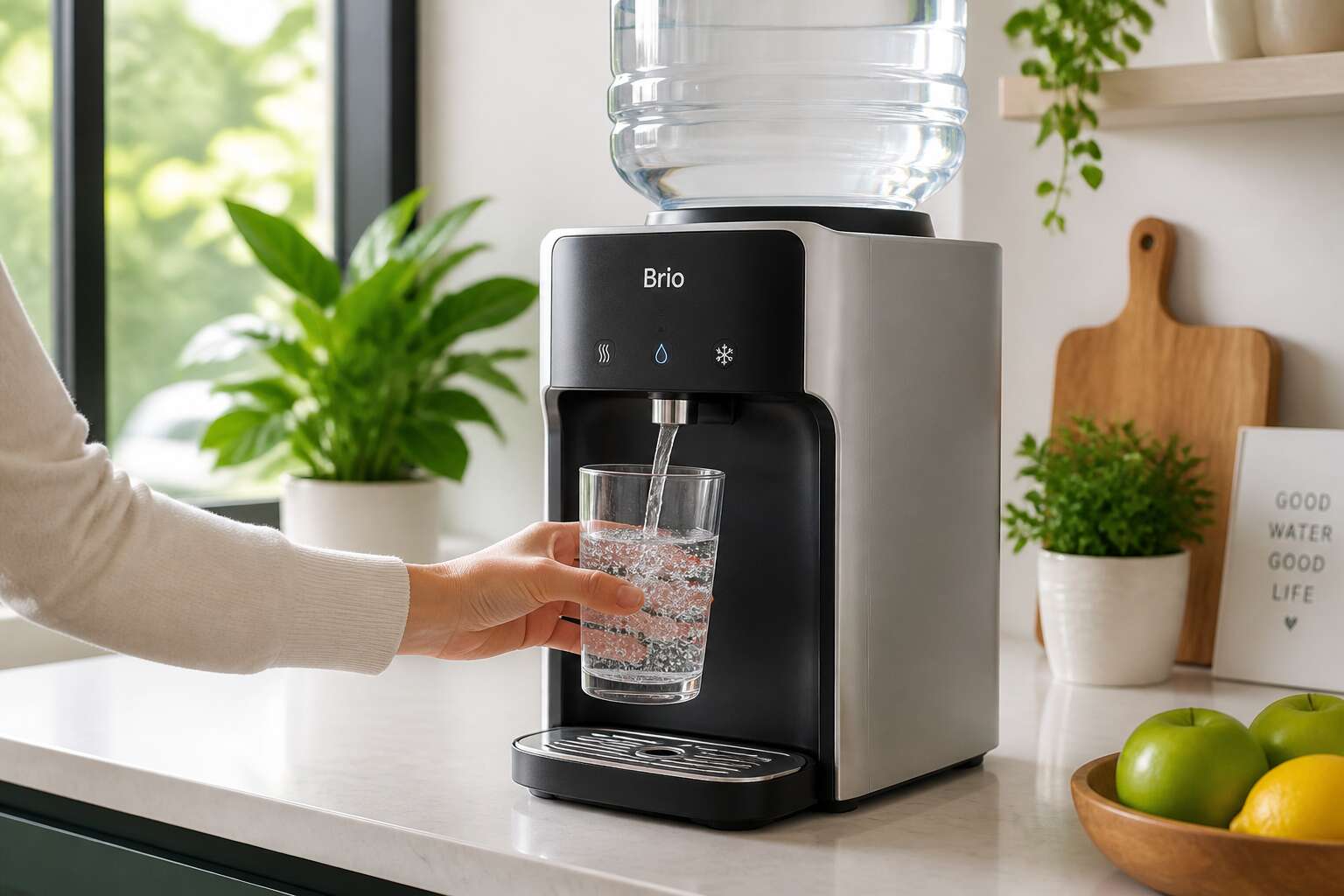
Why Renting a Water Dispenser Makes Sense for Households
Upfront Savings Compared to Buying
A household that buys a water dispenser pays the full price at once. Add delivery and installation, and the total can rival a month’s grocery bill. That single payment depletes savings immediately, leaving less room for unexpected expenses.
Renting changes this. Water dispenser rental for home turns a large capital outlay into modest monthly fees. There is no upfront payment, no sudden reduction of your cash reserves. I have watched neighbors choose rental precisely to keep their bank balance intact.
Consider what you don’t pay upfront:
- The machine’s purchase price
- Delivery and setup charges
- Initial maintenance costs
The rental provider covers these. Your money stays in your account, untouched by the cost of ownership.
Flexibility to Upgrade or Swap Models
Households evolve. A new baby, a home office, a sudden heatwave. The dispenser that suited last year may not suit today’s rhythm. With water dispenser rental for home, you are never bound to a single machine. The provider can swap it for a model with a larger bottle capacity, a child lock, or a faster cooling unit.
I once requested a different dispenser within two weeks of renting. The company delivered the replacement and removed the old one without delay. That is efficiency! That flexibility is a standard term in the rental agreement. You pay for the service, not for the hardware’s permanence. If your water source changes, or you want a modern design, the swap is your right.
Inclusive Maintenance and Repairs
A broken dispenser at home is more than an inconvenience; it is a disruption to your family’s daily rhythm. When you buy a machine outright, a malfunction becomes your personal project. You are left to negotiate with a repair technician, wait for spare parts, and pay call-out fees that can exceed the cost of a basic rental. That burden disappears entirely with a water dispenser rental for home.
The rental agreement places the responsibility for all technical faults squarely on the provider. When a heating element fails or a cooling compressor gives up, one phone call resolves the issue. The company dispatches a technician or replaces the unit outright. There is no haggling over warranty periods and no hidden charges for labour. Your only task is to enjoy a working appliance. This arrangement suits South African households where load-shedding can stress electrical components and municipal water quality might affect internal filters.
Consider what is typically covered under a standard rental plan:
– All necessary repairs and replacement parts.
– Routine performance checks and sanitation services.
– Provision of a temporary or permanent replacement unit if repairs take time.
– Technical support and advice for installation quirks.
This service model gives you predictability. You budget a fixed monthly amount and never face an unexpected repair invoice. The provider maintains the machine to a high standard because they want to avoid repeated call-outs. For a busy household, this quiet reliability is worth more than the occasional hassle of ownership. Renting shifts the worry away from you and onto the company that profits from your custom.
Eco-Friendly Refill Options
The plastic waste crisis looms over every South African kitchen. Opting for a water dispenser rental for home changes that reality. You replace the endless flow of single use bottles with a durable jug or a direct supply from a local water vendor. Refill options turn a daily necessity into a deliberate act of conservation.
Most rental plans include access to refill stations or scheduled deliveries. You return the empty bottle, receive a sanitised one, and the cycle continues without waste. The effect on your bin is immediate! This approach reduces monthly waste output and often lowers the cost per litre. For households in Cape Town or Johannesburg, choosing a water dispenser rental for home means drinking better while leaving behind no plastic footprint.
Key Factors to Evaluate Before Signing a Rental Agreement
Rental Period and Contract Terms
Rental period and contract terms often hide the real cost of a water dispenser rental for home. Let’s be clear, the monthly fee is only part of the equation. You must scrutinise the length of the commitment. A 24 month lock in might seem cheaper per month, but it reduces your flexibility to adapt to a change in household size or a move to a new city. The fine print is where most people get caught out.
South African suppliers have notoriously variable terms. Look closely at the notice period required for cancellation. Some demand 90 days, others will let you leave with a single month’s notice. Also, check for automatic renewal clauses. These sneaky terms roll you over for another full period if you forget to cancel on the exact date. Watch out for these specific elements:
– Early termination penalties and how they are calculated
– The process for returning the unit at the end of the lease
– Whether the rental price is fixed or subject to annual increases
Do not assume the rental fee covers everything. You might find a steep service call out charge if the machine breaks. Ask direct questions about who is liable for damage, and what constitutes wear and tear. The contract should be a simple, understandable document. If it is dense with legal jargon, that is a red flag. Read every clause before you put down a deposit.
Hidden Fees and Deposit Clarifications
Before you sign, the deposit amount deserves scrutiny. Some suppliers ask for a full month’s rental as a refundable deposit, while others demand a fixed sum that bears no relation to the machine’s value. Ask whether the deposit earns interest, as South African law requires for certain rental agreements. Hidden fees often surface only after installation. Delivery charges, connection fees, and sanitisation costs can appear on your first invoice.
Clarify what happens to the deposit if you switch machines or terminate early. A reputable provider will specify the condition for full refund. Look for deductions tied to cleaning or missing parts.
- Installation and delivery fees
- Monthly service levies
- Refundable versus non refundable deposits
Always request a written breakdown before paying anything. A transparent contract for water dispenser rental for home will list every charge in plain language.
Water Quality and Filtration Standards
When you host guests, the water you serve becomes a silent testament to your standards. The filtration technology inside a rental unit should receive the same scrutiny you would give a restaurant’s kitchen. Look for systems that address specific contaminants common in your municipal supply. A reputable provider will show you the micron rating and filter type for every unit they offer.
South Africa’s water quality fluctuates by region, and a basic carbon filter may not suffice for every household. Consider what your water dispenser rental for home must remove. Sediment, chlorine, and microbial cysts each demand different filtration media. The unit’s certification documents reveal whether the system meets SANS standards or merely mimics compliance. Ask about the filter replacement schedule and whether the provider monitors usage to trigger swaps at appropriate intervals. A machine with an expired filter performs worse than a tap with a simple jug filter.
Your contract should specify the filtration level for every unit in the fleet.
- Reverse osmosis systems that handle dissolved solids
- Ultraviolet treatment for microbial reduction
- Carbon block filters for taste and odour
Every rental quote should list which technology applies to each unit. Verify whether the supplier tests water after installation and provides documentation of those results. Some providers offer a water quality report per service visit, which demonstrates accountability. If a supplier cannot explain their filtration standards, that silence speaks volumes about their service quality.
Space and Installation Requirements
Your water dispenser rental for home needs a permanent footprint. A full size bottler occupies about half a square metre of floor. That sounds small until you place it beside your refrigerator and find the door barely opens!
Installation varies between providers. Some handle delivery and levelling. Others hand over the unit and leave plumbing to you. Ask which category applies to your water dispenser rental for home.
The water source location determines everything. A unit near the kitchen sink minimises work. One across the room needs a longer feed line, which some suppliers charge for. In South African apartments, this distance often exceeds what standard hoses cover. Bottled systems avoid these issues entirely.
Measure the spot first:
- Floor type and weight capacity
- Distance to the nearest power outlet
- Clearance for filter changes
- The path the delivery team will walk
These factors decide whether installation takes twenty minutes or two hours.
Noise Levels and Energy Consumption
We often forget that a water dispenser rental for home is an appliance with a mechanical heartbeat. The compressor in a bottled cooler emits a low hum that becomes the background rhythm of your kitchen. In a quiet South African home, that sound travels further than you expect. I have walked into apartments where the unit’s drone dominates the living space, making conversations feel like they happen in a server room. Most modern units register around 40 to 50 decibels, but cheap models can spike higher. Your brain may filter it out, yet the constant low frequency contributes to cognitive fatigue over time.
Energy consumption is the quieter cost. A heated and chilled unit running 24/7 can draw up to 100 watts, which translates into a noticeable line item on your Eskom bill. Some providers offer eco modes that cycle the compressor on and off, but you must ask for the specific kilowatt-hour figures before signing. The difference between an energy efficient unit and a power hungry one is roughly the same as running a second refrigerator. That matters during load shedding when every watt of backup battery capacity counts. Your home’s insulation and ambient temperature also affect how hard the unit works. A cooler placed in direct sunlight will cycle constantly, burning more electricity and making more noise. You are renting a service, but you are also inheriting its operational footprint. Read the fine print to see if the agreement mentions energy ratings or noise standards. Most do not, which tells you something about what the provider prioritises.
Popular Dispenser Types and Features for Residential Use
Top-Loading vs Bottom-Loading Units
Picture this: a gleaming unit in the corner of your kitchen, humming softly as it delivers the perfect temperature. But the real question isn’t about the water itself. It is about how you interact with the machine daily. The battle between top-loading and bottom-loading units defines the user experience more than any other feature.
Top-loading models are the traditionalists. You lift a heavy bottle, invert it, and seat it on the spindle. This action requires some upper body strength and a steady hand. For many, the ritual is familiar and uncomplicated. The internal pump pulls water down by gravity, which often makes these units simpler and more robust. They tend to be lighter and cheaper to transport, which can influence your rental agreement. If you are renting for a high traffic family space, the straightforward design is hard to beat.
Bottom-loading units change the game entirely. You place the bottle in a lower cabinet, out of sight. A small pump pushes the water upward to the taps. The ergonomic benefit is substantial. No more hoisting a 15 kilogram container over your head. You simply roll the bottle into place. This design also allows for a sleeker profile, often with a modern aesthetic that fits contemporary kitchens. Here are a few practical differences to consider:
– Top-loaders have a shorter water line, which often means faster dispensing.
– Bottom-loaders hide the bottle, preventing dust and light from degrading the water quality.
– Top-loaders generally have a smaller footprint, useful for tight spaces.
– Bottom-loaders feature a cleaner look but occupy more floor width.
The choice affects your daily interaction with the water dispenser rental for home. A top-loader demands physical effort but offers mechanical simplicity. A bottom-loader provides convenience and a polished appearance but relies on a more complex pump system. Your preference for one over the other often comes down to your physical comfort and your kitchen’s layout. Consider who will use the machine most. An elderly person might struggle with a top-loader, while a busy professional might resent the space a bottom-loader consumes. The answer lies in your personal habits, not just the price tag.
Hot and Cold Water Options
The hot and cold option might seem standard, but the debate over temperatures is often overlooked. A cold water dispenser alone is not enough. Many households want boiling water for tea and coffee, which is a daily ritual in South African homes. The difference lies in how the unit handles that heat. Some models use a simple spray tank, while others use a more powerful cylinder heater. That choice dictates how fast you get your cup filled and how much electricity the unit consumes.
When you consider a water dispenser rental for home, the heating system’s recovery rate matters. A small tank might only heat a cup at a time, leaving you waiting for the next pour. Newer condenser models offer faster recovery and a steadier temperature. On the flip side, the cold water side needs a good chiller. A standard compressor chiller will give you that icy, crisp drink, but it does have a compressor hum. Some prefer the thermoelectric chillers for their silence, though they are less effective in warm rooms.
Here are the common residential configurations:
– A 3-in-1 unit with cold, room temperature, and hot water taps.
– A 4-in-1 model that adds a separate sparkling water option.
– A direct-piping unit that connects to your main water line, removing the bottle entirely.
Your rental agreement should specify the tank capacities. A larger hot tank uses more energy, but it prevents that awkward lag when you have multiple guests. For a family, the cold water storage is just as important. You want enough chilled water to fill a jug for the fridge without waiting for the compressor to catch up. The best part of the rental setup is that you can test these features. If the unit cannot keep up with your tea time, you can swap it out. That flexibility is the core benefit of the water dispenser rental for home, allowing you to match the machine to your actual consumption habits.
Built-in Filtration Systems
Built-in filtration sets a quality dispenser apart from a simple water bottle. South African municipal water can carry sediment and a strong chlorine taste after heavy rain. A carbon filter removes the chlorine and also picks up rust from old pipes. Many units included in a water dispenser rental for home have a filter cartridge placed directly in the cold tank line. That flow delivers cleaner water to the glass, not just chilled water.
- Carbon block replacements for particulate and organic matter
- UV strips to inhibit bacterial growth inside the storage tank
- Sediment membranes for sand and undissolved solids
The tank material affects the hygiene and speed of the water. Stainless steel creates a smoother surface for cleaning, but it is heavier. Plastic tanks are easier to lift during a swap, though they show wear faster. A rental agreement should state the filter replacement cycle. That is where the rental provider takes responsibility.
With a water dispenser rental for home, the filter performance becomes part of the service. You watch the output, not the cartridge shelf.
Child Safety Locks and Pet-Friendly Designs
Rental choices often present child locks and pet guards as separate categories, yet both depend on the same mechanism: access. A three-year-old and an adult dog can target the same tap. In any water dispenser rental for home, the practical decision is to defend the valve with a two-stage push. A child needs two opposite movements, while a pet has no reason to engage with a button. The safer units pair this protective approach with the cold tap nozzle. Consider these typical features:
– A push-and-twist lever with a concealed catch
– A fixed nozzle that prevents lifting or pulling
– A solid splash guard attached to the drip tray
– A foot latch on the lower cabinet that stays shut
The drip tray design also determines whether a dog creates puddles. Recessed trays are less inviting, and they support a stable cup slot. Read the lease details and request the physical model before installation, because the valve matters more than the warranty sticker.
Touchless and Smart Dispensing Technology
Understanding Maintenance, Cleaning, and Service Responsibilities
Who Handles Filter Replacements
Scientists found that the average office water cooler harbours more bacteria than a toilet seat. Your kitchen is not an office, but the principle stands. With a water dispenser rental for home, the maintenance division of labour is often misunderstood.
The rental company handles filter replacements and internal sanitisation. They arrive with a new cartridge, remove the spent one, and disappear! Your duty is the everyday wipe-down. Providers typically cover:
- Filter replacements
- Internal tank cleaning
- Mechanical repairs
Your side involves the visible surfaces. The drip tray, the faucet nozzles, and the exterior casing all demand attention. Clarify this split before signing. Some contracts bundle deep cleaning into the monthly fee. Others leave the user with more responsibility than they anticipated. The service schedule makes this split explicit.
Sanitization Schedules and Hygiene Protocols
There is a certain quiet elegance to a machine that dispenses chilled water on demand. Yet, the relationship between owner and appliance is often more intimate than one expects. In the realm of water dispenser rental for home, the daily ritual of wiping down the exterior is a small price for the convenience. However, the unseen battles with limescale and biofilm are where the real champions emerge.
Most rental agreements for these appliances operate on a clear division of labour. The company owns the internals, and you own the veneer. Your weekly routine should involve a close inspection of the drip tray and a gentle scrub of the faucet nozzles. These simple acts prevent the build-up of mineral deposits. It is a practical form of stewardship, one that ensures the next delivery of clean water does not pass through a dubious spout.
Meanwhile, the professional sanitisation schedule is the backbone of the rental offer. A reputable provider will schedule a deep clean at intervals that correspond with your usage. This involves a full flush of the reservoir and a rigorous wipe-down of the internal components. The frequency of these visits should be stated in your contract, often quarterly or biannually. Understanding this rhythm is crucial, as it distinguishes a well-maintained service from a simple water delivery scheme. The difference between a fresh pour and a stale one is entirely dependent on these protocols.
- Check the drip tray for stagnation every three days.
- Wipe the external casing with a microfibre cloth weekly.
- Note the date of the last professional service.
The responsibility for a hygienic appliance does not rest solely on the shoulders of the technician. The distinction between the service providers’ mandate and your own is what keeps the water tasting as crisp as the day it was bottled. When you enter into a water dispenser rental for home agreement, you are purchasing a partnership in hygiene, not just a piece of equipment. The finer points of this partnership are often the difference between a clever household decision and a costly oversight.
Troubleshooting Common Operational Issues
Even the most reliable water dispenser rental for home will occasionally grumble. South African power fluctuations can cause the compressor to trip its thermal overload. Before you call for help, unplug the unit for ten minutes, then plug it back in. This simple reset often resolves the issue. A dispenser that is suddenly dispensing lukewarm water may have a blocked condenser coil, which you can gently vacuum from the front grille.
For persistent operational quirks, your rental provider is the first line of defence. They have the diagnostic tools to check refrigerant levels and thermostat accuracy. Some issues are not worth your time to troubleshoot. Attempting to dismantle the rear panel voids your service agreement. Keep a record of any strange noises or error codes, as this information speeds up the technician’s repair time.
Quick diagnostics to perform yourself:
1. Check if the unit is plugged into a working socket with a live earth.
2. Ensure the rear ventilation gaps are not obstructed by curtains or furniture.
3. Confirm the water bottle is not creating a vacuum lock by checking the air vent.
Professional maintenance goes beyond swapping filters. The provider will inspect the thermistor and pressure switches during scheduled visits. This scrutiny catches minor faults before they become expensive failures. A rental agreement shifts the burden of component failure away from your pocket. Your role is limited to surface care and monitoring performance. When you report a fault early, you protect the longevity of the machine. This partnership ensures your water dispenser rental for home remains a seamless utility, not a persistent headache.
What to Expect During Emergency Repairs
Understanding who does what prevents disputes. With a water dispenser rental for home, you handle external cleaning and airflow. The provider owns mechanical and electrical faults. When an emergency occurs, call the helpline first. Most South African providers offer same day or next business day service. A technician arrives with common spare parts and diagnoses the fault on site. If the unit cannot be fixed immediately, the provider should offer a replacement. Before calling, have these details ready:
- Rental agreement number
- Model and serial number
- A short description of the fault
Keep the list near the dispenser. Expect the technician to verify the power supply before opening the unit. They will also check for user error, such as a misaligned bottle or a closed tap. Emergency repairs are covered under your monthly fee, but confirm this in your contract.
How to Choose a Reliable Rental Provider
Reading Customer Reviews and Testimonials
In South Africa, where municipal water quality fluctuates and electricity interruptions are routine, the choice of a water dispenser rental for home hinges on more than the machine’s specifications. A provider’s reputation, earned through years of service, is the only reliable indicator of what you will experience. Customer reviews and testimonials give you direct insight into how companies handle their obligations when problems arise.
I pay close attention to recurring themes across multiple reviews. A single complaint might be an anomaly. Several complaints about the same issue signal a systemic problem. Look for specifics in each testimonial:
- Response times for breakdowns and service calls
- Transparency about delivery and installation dates
- Consistency in billing amounts versus the signed contract
This approach separates marketing promises from operational reality. When strangers describe their own rental journeys, they reveal patterns that a sales brochure simply cannot cover.
Comparing Rental Packages and Pricing Tiers
Verifying a provider’s service capacity is the first real test. Ask where their technicians are stationed and how many routes they run daily. A company with a thin footprint cannot honour response times when your machine fails.
The water dispenser rental for home market in South Africa has grown crowded, which benefits you. Competition forces providers to differentiate their rental packages. Compare pricing tiers with attention to what each one actually includes:
- Which filtration stages are covered in the base tier
- Whether installation includes plumbing adjustments
- What the monthly fee buys beyond the machine itself
Some packages bundle certification and quarterly checks, while others treat them as add ons. That distinction changes the real cost of your contract. When you settle on a water dispenser rental for home, read the tier comparison again with your household size in mind.
Checking Response Time for Service Calls
A machine that sits broken for a week is not a convenience; it is a monument to poor planning. In the world of water dispenser rental for home, the fine print often hides the true cost of service, and the true cost is measured in downtime.
Response time is the metric that matters most. A provider can promise the world on paper, but when the cooling unit fails on a Tuesday afternoon, their promises evaporate. Ask direct questions. Where are their technicians based? If the depot is in another province, prepare for a long wait. You want a provider whose operational footprint mirrors their customer base. A shorter distance between the warehouse and your kitchen usually translates into faster repairs.
The interview process should be practical. Probe their logistics with a simple scenario: “My dispenser is leaking. What happens next?” Listen for specifics. Do they have a stock of replacement units ready to ship, or do they wait for parts to arrive? The best providers offer a temporary swap, ensuring you have clean water while yours is in the shop. Your contract should state the maximum response time clearly, usually 24 to 48 hours for urban areas.
When you scrutinise the agreement, look for the performance guarantees. A good contract will outline the service level agreement, detailing the penalties for missed appointments. If they are slow to commit to a timeline, that is a red flag. The reliability of your water dispenser rental for home is not just about the unit itself; it is about the system that supports it. Choose a partner with the local presence and the inventory to back up their promises. That is the only way to ensure your machine stays a utility, not a headache.
Verifying Water Source and Bottle Delivery Options
Choosing a water dispenser rental for home often hinges on what you cannot see. The source of your water matters more than the polish of the brochure. Ask your provider for their latest water quality analysis and confirm the borehole or municipal supply undergoes regular filtration and purification. A supplier who hesitates to share this documentation is hiding something you will eventually taste.
Delivery logistics deserve equal scrutiny. A reliable service operates on a schedule that respects your household’s rhythm. Confirm they deliver to your specific suburb, and ask about minimum order volumes and delivery windows. Some providers charge hidden surcharges for outlying areas, which quietly inflates your monthly cost.
– Confirm the source of the water and request recent testing records.
– Verify delivery coverage for your exact address.
– Ask about bottle rotation, ensuring you receive sealed, properly sanitised containers.
The quiet truth is that a water dispenser rental for home only works when the supply chain behind it runs without friction. Whether you choose 5-gallon bottles or larger containers, the provider’s reliability determines whether your family enjoys clean hydration or faces empty jugs on a hot afternoon. Take time to verify these operational details before signing, and you will avoid the frustration that comes from a beautiful machine with an unreliable lifeline.
Reviewing Exit and Cancellation Policies
Most people focus on the monthly rate when choosing a water dispenser rental for home, yet the exit clause often holds the real cost. A reputable provider will let you cancel without punitive fees, but only if you read the fine print. I once reviewed a contract that required 90 days notice plus a full year of payments for early termination. That is a surprise nobody expects.
Before signing, ask for the cancellation policy in writing and check these details:
- Notice period measured in weeks, not months.
- Pickup fees for removing the unit.
- Penalty structure for breaking the lease early.
A flexible provider understands life changes. They will offer a reasonable water dispenser rental for home contract with exit terms you can live with. Confirm whether final payments are prorated and if the security deposit returns automatically.


0 Comments