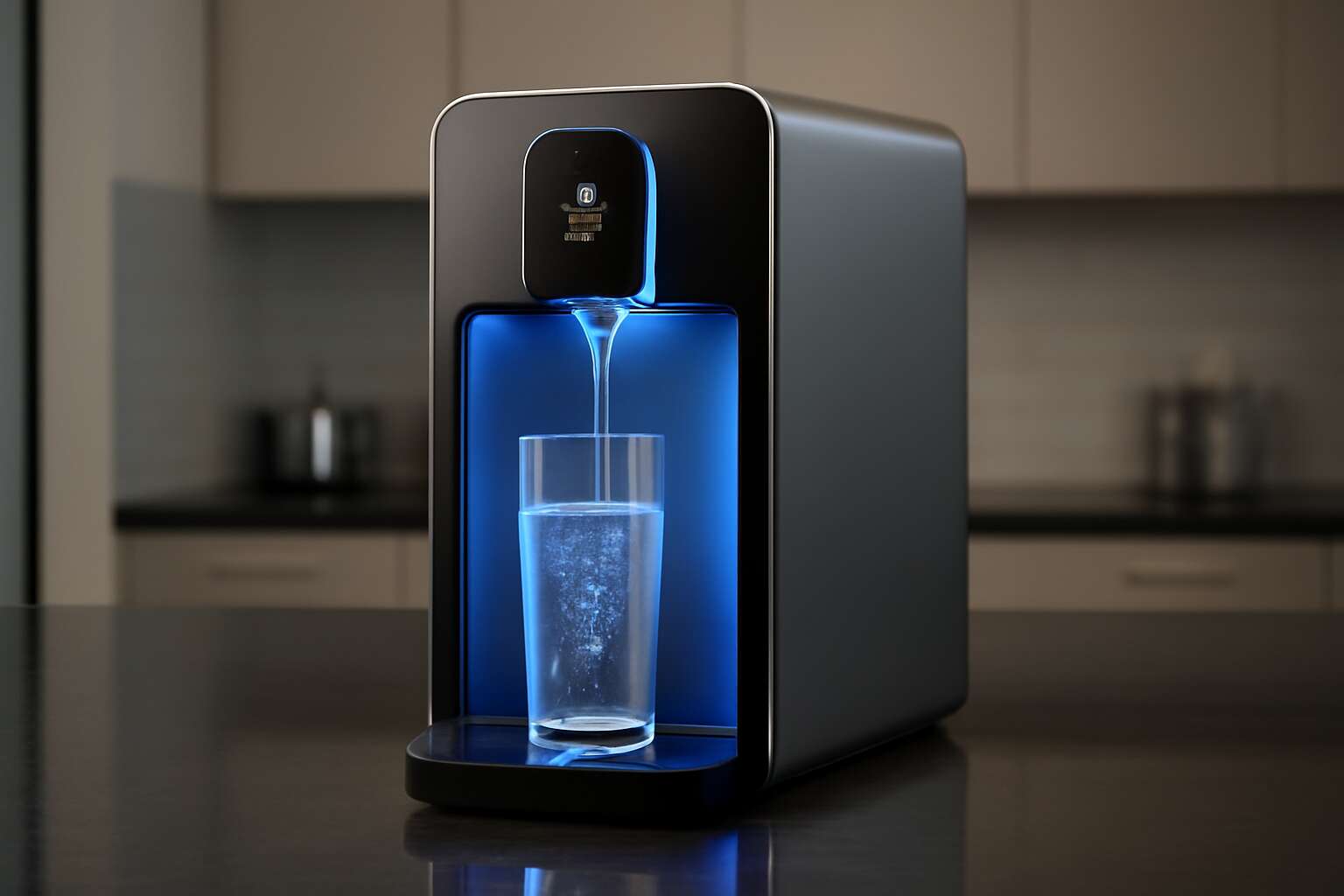
Choosing a Water Dispenser with Hot and Cold Water Options
Performance and Temperature Range
Two taps, two moods— a chilly sip and a steaming cup—and the pace of a home kitchen shifts in an instant. A water dispenser cold and hot brings that balance closer, blending convenience with comfort for South African households and busy offices alike.
Performance hinges on steady temperature range and reliability. Most systems chill to about 5–10°C and heat to roughly 85–92°C, maintaining consistent output even when the fridge and kettle are in high demand. Design choices that emphasize insulation and quiet operation contribute to a calm kitchen rhythm.
- Temperature stability across cycles
- Quiet, unobtrusive operation
- Durable build for homes and clinics
Choosing this setup means dependable access to water in schools, clinics, and family kitchens. For communities in SA, this steadiness isn’t just convenience—it’s everyday dignity, nourishing conversations around tea, water, and shared moments.
Energy Efficiency and Running Costs
In South Africa, a reliable beverage ritual can fuel a productive day—hot tea or a crisp chill on a sunlit desk. Energy-savvy businesses know a water dispenser cold and hot can trim running costs by up to 30% when it uses smart standby modes and insulated tanks.
Look for models with efficient compressors, well-insulated reservoirs, and a low standing-by power draw. In my experience, offices in SA save more when the unit stays in standby mode during lulls. These details curb running costs while maintaining consistent temperatures, even in busy kitchens and clinics.
Key efficiency features include:
- Efficient cooling and heating cycles
- Insulated tanks for steady temps and quiet operation
- Low standing-by power and easy maintenance
For South African households and offices, this balance translates into steady service, lower bills, and a quieter, more purposeful kitchen rhythm.
Safety Features and Child Lock
Across South Africa, everyday rhythms demand a reliable sip between meetings and errands. When choosing a water dispenser cold and hot, safety features matter as much as temperature. A friendly interface, durable spouts, and spill-prevention design make hydration effortless, even during a busy day.
- Child lock on the hot-water tap to prevent accidental scalds
- Two-step or push-and-hold dispensing to avoid spurts
- Automatic shut-off if a leak is detected
- Insulated reservoirs to reduce surface heat and keep taps safe
In homes and clinics across SA, these safeguards deliver peace of mind and a calmer kitchen rhythm. A reliable combination of safety and temperature control becomes a quiet ally, protecting little hands and ensuring steady refreshment.
Filtration Options and Water Quality
In South African kitchens, hydration should feel effortless—the daily luxury that slips between meetings and errands. A water dispenser cold and hot blends convenience with safety, yet filtration behind the tap decides how refreshing the sip truly is. Hydration is the quiet luxury, and it shows up glass by glass.
- Activated carbon filters reduce chlorine taste and odor
- Mineral cartridges preserve essential minerals for a balanced sip
- Ultraviolet or multi-stage purification adds a layer of safety
- Reverse osmosis delivers post-filter purity in sensitive settings
Water quality in SA homes varies—from regulated municipal supply to boreholes. Filtration that targets taste, minerals, and contaminants can elevate every glass. Look for NSF/ANSI certifications and easy cartridge access; a trusted system suits local realities and the best water dispenser cold and hot.
Noise Levels and Vibration
In a bustling South African kitchen, silence is a luxury you notice only when it’s missing. A water dispenser cold and hot should deliver refreshing functionality with minimal distraction, letting conversations flow and dishes dry in peace.
Focus on noise levels and vibration—these are the unsung variables in daily use. Look for a clear decibel rating and features like vibration-damping feet, sturdy chassis, and insulated cabinets that keep the compressor from singing on busy mornings. A well-placed unit, away from high-traffic zones, reduces clatter and heat transfer to countertop surfaces.
Consider these design elements
- Anti-vibration feet and a heavy base minimise movement
- Quiet compressor and sound-dampening panels
- Secure plumbing and stable drip tray to reduce rattling
Types of Dispenser Configurations for Cold and Hot Water
Freestanding vs Countertop Installations
Water is the quiet conductor of daily momentum—a truth that rings true in South Africa’s sun-drenched spaces. “Water is life,” a colleague once quipped, and a water dispenser cold and hot makes that life effortless. Freestanding or countertop configurations shape presence, space usage, and ease of access, turning hydration into a seamless routine rather than a chore.
Freestanding units speak with authority, commanding floor space and offering bold visibility; countertop models whisper under cabinets, conserving room while blending with other kitchen gear.
- Footprint and placement
- Power and water connections
- Maintenance access and cleaning
- Aesthetics and décor alignment
For South African spaces, choosing between freestanding and countertop is a study in balance—form meeting function, ease meeting endurance, heat meeting hospitality. The right configuration makes hydration effortless, complements workflow, and stands up to daily rhythms in offices, clinics, and kitchens alike.
Bottleless vs Bottle-Return Models
In South Africa’s fast-paced offices, hydration is more than a refresh—it’s a competitive edge. Studies show proper water intake can sharpen concentration by up to 15%, turning the humble drink into a performance lever. For many teams, bottleless versus bottle-return configurations shape daily rituals as much as budgets do. A water dispenser cold and hot stream makes that ritual effortless, clean, and reliable across clinics, kitchens, and desks.
Bottleless vs Bottle-Return configurations at a glance:
- Bottleless systems: connect directly to mains water, use inline filtration, and cut plastic waste while keeping taps within easy reach.
- Bottle-return models: use pre-filled bottles, offering familiar handling and straightforward maintenance with robust sanitation.
- Hybrid configurations: mix reservoirs and bottles to fit shared spaces and variable demand.
In South African spaces, the best fit balances footprint, staffing realities, and cleanability, turning hydration from a duty into a fluid part of daily operations.
Bottom Load vs Top Load Water Dispensers
“Hydration is fuel for the mind,” whispers the office sage, and it guides the choice between bottom load and top load when selecting a water dispenser cold and hot. In busy SA spaces, these configurations shape how teams move through the day with ease. Bottom-load units position the heavy bottle at floor level, making changes straightforward and tidy—great for tight kitchens and clinics. Top-load models lift the weight overhead, but they simplify bottle swaps for teams that prefer minimal bending.
- Bottom-load units position the heavy bottle on the floor, easing changes and keeping counters clean.
- Top-load designs keep bottles overhead, enabling quick swaps but demanding safe lifting.
In South African offices, the choice between bottom load and top load boils down to space, staffing realities, and hygiene expectations, all under the banner of the water dispenser cold and hot.
Integrated Filtration and Cooling Technologies
A brisk truth for SA offices: when the water dispenser cold and hot is tuned just right, the day clicks into motion.
Types of Dispenser Configurations for Cold and Hot Water Integrated Filtration and Cooling Technologies unlock that tempo with purpose.
Inline filtration paired with cooling units delivers crisp, safe water without bottles. Compressor-based chillers cool fast; thermoelectric options save energy in compact spaces.
- Inline multi-stage filtration for clarity and mineral balance
- Cooling options: compressor vs thermoelectric
- Integrated safety and energy management features
In busy South Africa, these configurations shape taste, safety and efficiency for modern offices.
Smart Features and Connectivity
Hydration is productivity, and in South African offices, reliable access to water can shave minutes from meetings and workflows. The water dispenser cold and hot setup is where everyday reliability meets smart design, turning a simple tap into a quiet engine of efficiency.
Smart features and connectivity elevate dispenser configurations: app-based temperature control, scheduling aligned to office rhythms, and cloud alerts for filters or service. This is especially true for water dispenser cold and hot installations where temperature stability matters and uptime is essential.
- Remote monitoring and maintenance alerts
- App-based control for temperatures, timing and user access
- Usage analytics to optimize water and energy use
In SA, these configurations help modern offices stay compliant, efficient, and ready for the day ahead.
Key Features and Specifications to Compare
Temperature Control and Consistency
Temperature is the unsung hero in every South African kitchen: drinks arrive at the perfect moment and stay there, not a tepid afterthought. For water dispenser cold and hot models, precision isn’t optional—it’s the feature that earns trust.
To compare temperature control and consistency, scan for thermostat accuracy, response time, and stability under load. Look for microprocessor-driven regulation, independent hot and cold circuits, and sensors that self-correct as the reservoir empties. These traits translate into reliable pours worthy of a boardroom or braai.
- Thermostat accuracy: typically ±1°C
- Rapid heat-up and stable hot output
- Efficient cold-generation with minimal temperature drift
With these specs, temperature control and consistency become the quiet engine behind every crisp, refreshing pour.
Tank Capacity and Dispense Rate
Size and speed steer daily hydration in South Africa’s kitchens and offices. For a water dispenser cold and hot, tank capacity and dispense rate shape how often you refill and how quickly a glass lands on the table. The right balance keeps events flowing—from espresso rituals to braai prep—without a lull in refreshment.
- Tank capacity: most models offer a total in the 2–5 litre range, with hot and cold circuits sized to meet daily demand.
- Dispense rate: robust cold and hot throughput ensures a mug or bottle fills in moments, not minutes.
When these specs align, every pour feels like a small, dependable miracle—the kind that keeps a boardroom buzzing and a family braai lively.
Energy Star and Efficiency Ratings
With SA electricity tariffs climbing, every watt saved on a water dispenser cold and hot counts. Key Features and Specifications to Compare Energy Star and Efficiency Ratings matter more than cosmetic flair. Energy Star labels promise real savings on running costs, while efficiency ratings signal long-term reliability and quieter operation under daily use.
- Energy Star rating and annual energy use
- Compressor efficiency and cooling technology
- Standby power and auto-off features
- Temperature stability and precision controls
In South Africa, energy-conscious buyers chase consistency through load shedding and rising tariffs, so these metrics aren’t just marketing buzz—they’re a practical bet on uptime.
Build Quality and Materials
Uptime is currency in busy offices, and a well-built unit pays interest in silence and fewer service calls. When you dial water dispenser cold and hot, you want confidence, not excuses.
Build quality rests on materials and construction: a food-grade interior, sturdy welds, corrosion-resistant fittings, and dependable seals that don’t creep with use. A solid chassis also means fewer drips, easier cleaning, and longer life in South Africa’s demanding environments.
- Food-grade interior stainless steel with seamless welds
- Durable external panels and corrosion-resistant coatings
- Easy-clean components, accessible panels, and quiet hinges
Efficiency and aesthetics aside, you’re paying for reliability—units engineered for simple servicing and parts availability.
Maintenance Indicators and Filter Life
Uptime is currency in the office realm, and a water dispenser cold and hot stands as a silent steward of productivity! Industry watchers note that up to 25% of downtime in busy workplaces stems from aging filters and hazy life indicators.
When comparing Key Features and Specifications to Gauge Maintenance Indicators and Filter Life, look for radiant readouts and clear recommended replacement cycles that fit your team’s cadence.
- Remaining filter life as a percentage or hours
- Predictive alerts before the seal or cartridge falters
- Accessible service panels for simple swaps
- Wide parts availability and warranty terms
These cues translate into fewer service calls, easier auditing, and a smoother daily ritual, keeping the magic of hydration steady across SA offices.
Maintenance, Safety, and Efficiency
Regular Cleaning and Descaling Schedule
Every South African kitchen runs on reliable comfort, and a water dispenser cold and hot is the quiet heartbeat of that daily ritual. When upkeep stays steady, you notice fresher drinks, fewer hiccups, and a sense of control that borders on the supernatural. Regular care keeps mineral buildup low and temperatures steady—almost supernatural!
Safety stays sharp with regular checks on electrical connections and the locking mechanism. A calm approach protects families and staff around hot surfaces, while simple indicators guide when attention is needed.
Efficiency comes from a gentle cadence of cleaning and descaling. That routine helps maintain crisp cold and balanced heat, saving energy without sacrificing performance.
- Seals and drip tray reveal wear and tear
- Leaks and airflow integrity reflect overall health
- Unusual noises or temperature shifts signal maintenance needs
Keep a quiet rhythm, and the experience stays pristine—an everyday luxury that never skims the surface.
Filter Replacement Guidelines
In the kitchen marathon, the water dispenser cold and hot is the unsung MVP. A clean, well-tuned unit breezes through the day, delivering crisper drinks with fewer hiccups. Yet up to 60% of South African households neglect regular upkeep, paying in energy waste and leaks.
Safety first keeps the team calmer than a barista without a queue. Emphasise safe handling, guard hot surfaces, and verify the locking mechanism. A cautious glance at the power cord and seals helps prevent surprises.
- Safety considerations and wear indicators
- Power cord and seals for integrity
- Respect filter life indicators and replacement cues
Efficiency hinges on timely filter replacement. Follow manufacturer guidance, replace on schedule when indicators glow, and flush the system to restore the balance between cold and hot performance.
Electrical Safety and Grounding
In South Africa’s bustling kitchens and offices, the water dispenser cold and hot sits at the crossroads of convenience and vigilance. A clean, well-tuned unit cuts downtime, yet up to 60% of households neglect upkeep.
Safety first anchors every operation. Guard hot surfaces, ensure a secure locking mechanism, and verify the power cord and seals for integrity.
- Power cord integrity and proper electrical grounding
- Seals, gaskets, and joints free of leaks
- Locking mechanism status for hot-water dispensing
Efficiency hinges on timely maintenance. Follow indicator cues, replace filters when due, and flush the system to restore balance between cold and hot performance. For the water dispenser cold and hot, this routine matters.
In SA, reliable operation keeps homes and workplaces hydrated without drama, fostering trust in every sip!
Noise Reduction and Vibration Management
Maintenance keeps the water dispenser cold and hot performing with minimal downtime. In busy South African kitchens and offices, even small wear can lead to slower response or temperamental temperatures. Regular, unobtrusive checks preserve reliability and peace of mind. When the water dispenser cold and hot remains balanced, hydration stays hassle-free for staff and visitors alike.
Safety remains the quiet backbone of daily use. A secure hot-water mechanism, reliable electrical connections, and obvious signs of steady performance signal a culture of care in the workplace.
- Steady hum rather than rattles or grinding
- Minimal vibration, with components feeling balanced
- Exterior remains clean and dry, indicating stable seals and joints
Efficiency and noise reduction go hand in hand. When vibration stays low and the soundscape is calm, the water dispenser cold and hot preserves performance and comfort across long shifts.
Troubleshooting Common Issues
In busy South African kitchens and offices, the maintenance ritual is the difference between reliable hydration and interruptions. A water dispenser cold and hot stays ready when it’s cleaned, seals checked, and components visually inspected. Regular, unobtrusive checks preserve reliability and peace of mind.
Safety remains the quiet backbone of daily use. A secure hot-water mechanism, reliable electrical connections, and clear signs of steady performance signal a culture of care in the workplace. When these elements align, the water dispenser feels less like equipment and more like an ally!
Efficiency and calm go hand in hand. If the unit draws more energy than expected, or if the fan and compressor grow louder, wear is creeping in. Common issues whisper through fluctuating temperatures, longer dispense times, or pauses in service.
Buying Guide and Space Planning
Space and Installation Requirements
South Africa’s busy offices crave reliability—and a water dispenser cold and hot delivers it with quiet flair. A savvy buying guide for space planning starts by imagining the unit as part of your daily rhythm, and a recent survey shows 68% hydrate more when thirst is within arm’s reach, ensuring it blends with your decor and flow.
- Proximity to a suitable outlet to minimize cord clutter.
- Adequate clearance for lid operation and bottle access.
- A compact footprint that respects traffic flow.
Placement requires a level, stable surface, nearby electrical access, and room for user movement. For bottleless models, ensure a compliant water line, climate-appropriate cabinet placement, and proper backflow prevention; traditional bottle units benefit from a discreet staging area for refills.
With these considerations, your space becomes a refined stage where every sip is a small triumph, and the cadence of daily life feels a touch more magical.
Costs, Warranties, and Service Plans
In the rhythm of a busy SA office, steady flow matters more than a flashy feature. A survey shows 65% hydrate more when a source is within reach, so your buying decisions for a water dispenser cold and hot should balance cost, footprint, and service as the spine of the plan.
Buying Guide and Space Planning Costs touch daily operations. Consider upfront price, delivery, installation, and cabinet adjustments; plus ongoing energy and filter costs, and effects on traffic flow.
- Purchase price and delivery
- Installation and electrical needs
- Filter life and maintenance
Warranties and Service Plans provide a safety net in SA’s market. Typical options include a manufacturer warranty, on-site service, included parts and labour, and optional extended plans with annual maintenance.
- Warranty duration
- On-site vs depot service
- What is covered
- Renewal terms
Those considerations shape the overall value; a well-chosen water dispenser cold and hot becomes a quiet anchor in the workspace.
Brand Reputation and Customer Support
Choosing a water dispenser cold and hot is less about showroom flash and more about the quiet fidelity of a brand that stands behind its promise. In a South African office, space planning meets practicality—where footprint, service reach, and reputation converge to shape daily rituals rather than mere equipment.
- Brand reputation backed by long-standing local service networks
- Transparent customer support channels and documented response times
- Availability of genuine parts and on-site maintenance across major SA centers
Let these threads guide your selection as you design hydration moments into the office flow. A thoughtful blend of brand trust and robust support makes the dispenser a graceful companion to the team—not a burden, but an assurance that water remains a minor miracle in the day’s riddle.
Where to Buy, Delivery, and Return Policies
Hydration is not garnish; it’s a quiet productivity engine. In South Africa’s offices, where space is prized and noise is a luxury few can afford, a well-chosen water dispenser cold and hot can shape the day’s rhythm more than showroom glamour ever could. Your buying guide should consider who sells in SA, how delivery works, and what the return policy looks like when life intervenes.
- Local suppliers with transparent channels for SA businesses
- Delivery windows and on-site setup to suit office rhythms
- Clear return and warranty terms that survive quarterly audits
- Availability of genuine parts or quick replacements within major SA hubs
Space planning meets practicality—choose a footprint that nods to your floor plan and a hub that keeps the break area unruffled. The right partner translates layout ideas into effortless hydration moments and tidy, respectful installations.
Energy Savings Tips and Long-Term Efficiency
Hydration is the quiet productivity engine; a well-chosen unit slips into the office day and trims frictions wherever people gather. In practical terms, proper hydration supports focus and efficiency, and research suggests focused workers stay sharper when water is accessible at arm’s reach. Some studies report up to 14% improvement in concentration with regular water intake.
In South Africa, the buying landscape favors partners who speak your language, provide transparent delivery windows, and back up service with warranties and genuine parts—keeping downtime to a minimum and maintenance predictable.
Space planning and energy savings also matter. Position a water dispenser cold and hot away from heat sources and heavy foot traffic, and choose eco modes that reduce running costs without sacrificing performance. Energy Savings Tips and Long-Term Efficiency emerge when you match compressor sizing to your peak usage and prioritize reliable local service for quick replacements.


0 Comments