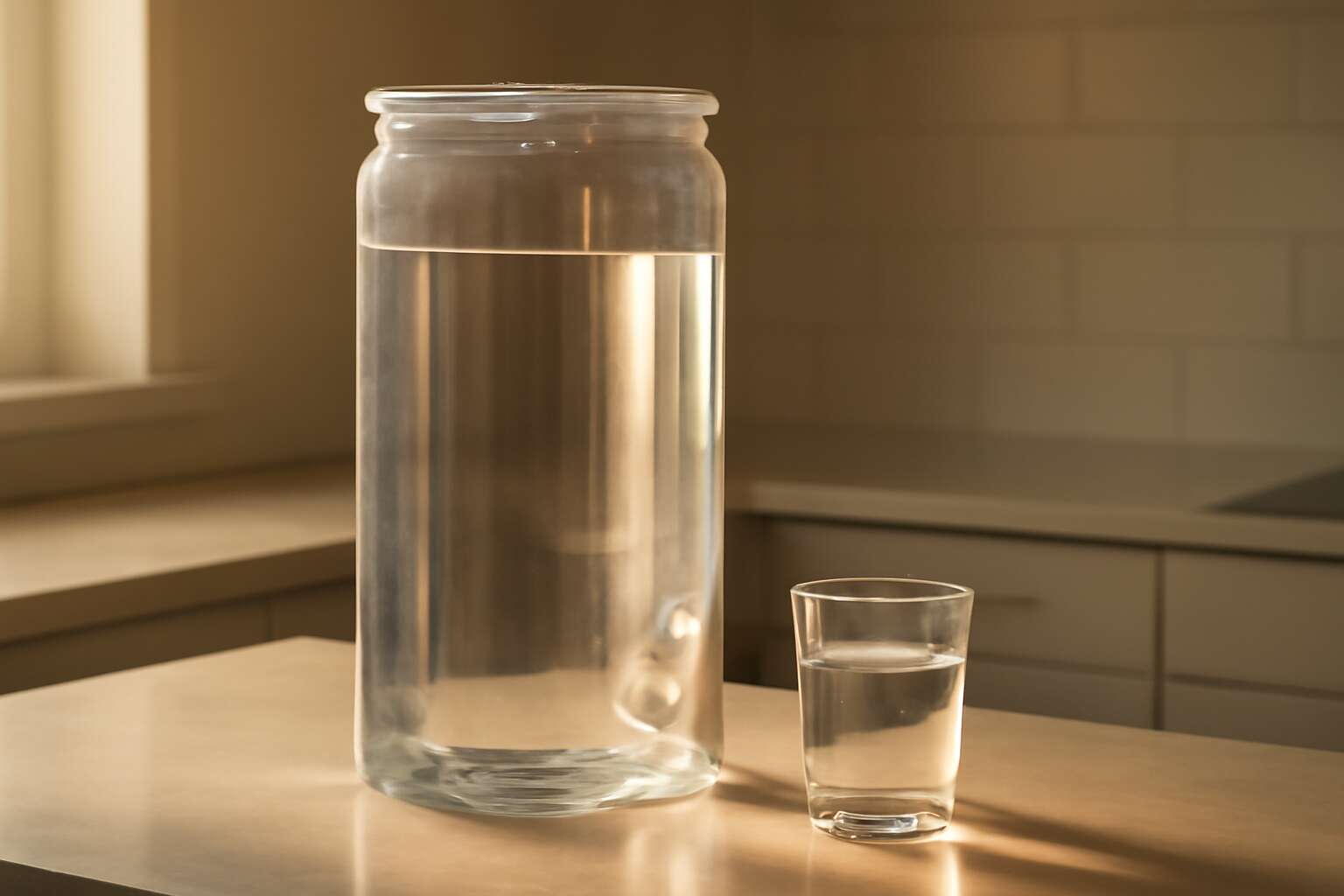
Material considerations for water dispenser containers
Food-grade materials and safety standards
In a country where sunlit mornings meet the hum of city streets, certainty tastes as good as it feels. A single sip begins with the vessel that touches the lip, and the choice of container can shape memory as surely as any melody. “Safety is the real luxury,” a South African designer once said.
Material considerations for water dispenser container hinge on food-grade materials and safety standards. Glass and stainless steel offer inert surfaces that preserve flavor and purity, while high-grade plastics must be BPA-free and compliant with global food-contact guidelines. The best options carry clear certifications and perform well in the climate of South Africa.
Key factors to assess include:
- BPA-free plastics with stated resin type
- Food-contact stainless steel with corrosion resistance
- Seamless design and smooth corners for easy cleaning
From elegant kitchens to bustling offices, the vessel becomes a quiet vow—craft, safety, and daily grace.
BPA-free and phthalate-free certifications
“Quality is invisible until it isn’t,” whispers the designer who watches every resin and gloss. The water dispenser container deserves the same scrutiny as any culinary tool, because what touches the lip shapes the memory of each sip.
BPA-free plastics with a clearly stated resin type keep the narrative transparent and traceable, even in South Africa’s sun-burnished kitchens and offices.
- BPA-free plastics with stated resin type
- Phthalate-free certifications backed by independent testing
- Food-contact stainless steel with corrosion resistance
With these assurances, the vessel remains a steady guardian of purity and palate, a subtle promise in daily rituals.
Plastic types and their impact on purity
Two seconds of contact can color a sip, a truth that travels through the water dispenser container like a soft spell. “Material speaks softly,” notes a designer, and purity listens. In South Africa’s sunlit kitchens, the choice of plastic or glass quietly scripts the aroma that follows every refill.
Plastic types and their impact on purity hinge on migration, clarity, and heat resistance. The right balance preserves crispness and safeguards taste, even as cups clink and doors swing in busy offices.
- HDPE: sturdy, low chemical migration, excellent for cold-water use
- PET: crystal clarity and light weight, but watch for heat exposure
- Tritan: high clarity, tougher against scratches, BPA-free by design
In this narrative, resin choice and UV stability shape the palate, turning a simple refill into a remembered moment for the water dispenser container.
Glass and stainless steel options for durability
In South Africa, a surprising 73% of office kitchens report choosing glass over plastic for a water dispenser container, driven by purity, clarity, and the ritual of a clean refill.
Glass offers a non-porous, inert surface that won’t give up flavours or leach additives, and it handles soft sunlight without clouding the sip.
Stainless steel brings durability to the table; a steel container shrugs off bumps, scrapes, and the daily grind of a busy Johannesburg or Cape Town break room, while remaining easy to sanitise.
- Glass: purity, excellent clarity, no taste transfer
- Stainless steel: rugged durability, high sanitation standards, thermal stability
Design and usability features
Spout and leak prevention design
Even a single drip per minute can waste up to 2 litres weekly, turning clean water into a quiet nuisance. The design of a water dispenser container matters as much as the purity it preserves. A well-engineered spout guides liquid with a clean arc, while a self-sealing valve minimizes splash and drips even on busy mornings.
Key to usability are these discreet, reliable elements:
- Anti-drip spout with a spring-loaded shutoff
- Precision pour lip to minimize spills and splashes
- Resilient silicone gasket and secure lid to prevent leaks
Together, these design cues ensure daily use is smoother, more hygienic, and less prone to unexpected leaks in busy South African kitchens and offices.
Handle, grip, and portability features
Good design is invisible until it fails — and in South Africa’s busy kitchens, a water dispenser container that nails handle and grip never shouts, it simply delivers. An ergonomic handle and a textured grip keep full containers steady, turning potential spills into graceful pours. It’s the kind of quiet reliability that makes daily refills feel almost luxurious rather than a chore.
Key portability features enhance usability:
- Ergonomic dual-handle design for balanced lifting
- Non-slip grip and finger recesses for wet or humid hands
- Optional strap or compact wheels for easy transport between rooms
When the container travels from kitchen to boardroom, these cues keep service smooth and interactions with guests more graceful — proof that a well-conceived water dispenser container is as much a courtesy as a utility.
Lid sealing, air vent, and freshness management
Freshness is a promise kept by a well-sealed lid, and in South Africa’s bustling kitchens that promise travels with every refill. The water dispenser container employs airtight lid sealing that keeps out dust and odour, preserving a crisp, clean profile from first pour to last drop. An integrated air vent releases pressure as you pour, preventing gushes and ensuring a graceful flow even when the container is full. You feel the difference in every pour!
Design details work behind the scenes to delight the senses. To support usability, consider these elements:
- Airtight lid with a reliable seal
- Smart air vent that balances pressure
- Freshness management features, such as indicators for refreshing or aroma-neutral materials
When service travels from kitchen to boardroom, these cues keep water service smooth and interactions with guests flawless—the mark of a water dispenser container that quietly elevates daily refreshment.
Capacity options and modular sizing
Across South Africa’s kitchens and boardrooms, a single design choice can elevate everyday refreshment into a small ceremony. The water dispenser container at the heart of the station blends quiet elegance with practical insight, making care and service feel effortless. Design and usability features guide every move—from first lift to last pour—so teams glide through refills with confidence. Magic in motion!
Capacity options and modular sizing unlock flexible layouts for busy staff rooms and compact kitchens alike.
- 5L, 8L, and 12L capacity options to fit varying usage patterns
- Modular sizing with interchangeable panels for wall-friendly configurations
- Narrow-footprint variants that tuck neatly into tight spaces
In practice, these design decisions translate into smoother service and more confident guest interactions—the water dispenser container earning its place as a quiet hub of daily refreshment.
Easy cleaning and dishwasher compatibility
Across South Africa’s workplaces, the water dispenser container blends quiet elegance with practical ease. Easy cleaning and dishwasher compatibility underpin daily service, turning refills into a swift, confident ritual. Smooth, non-porous surfaces resist residue, while accessible seams and removable parts cut cleaning time without compromising hygiene. A quiet, efficient hub for refreshment—where function meets form.
Designed with sanitation and speed in mind, this model offers:
- Dishwasher-safe components that stay securely in place during cycles
- Removable lids and accessible seals for thorough cleaning
- Rounded, wipe-clean panels keep the container looking pristine
Maintenance, hygiene, and sanitation
Cleaning schedules and routine care
Clean water is a basic right, and when dispensers look pristine, uptake can rise by as much as 30%. A thoughtful approach to maintenance, hygiene, and sanitation keeps the water you serve crystal clear and reassuring. The water dispenser container deserves regular care to protect taste, safety, and trust. Minimal attention now prevents costly downtime later.
A steady routine is the backbone of long-term hygiene. Create a cadence that fits your usage, then honor it with simple checks that keep your system confident.
- Inspect seals and venting for integrity
- Wipe external surfaces to remove dust and fingerprints
- Document inspection dates to track sanitation cycles
That quiet discipline pays off in purity and peace of mind.
Safe sanitization methods for different materials
“Cleanliness is the wellspring of trust,” a sage line reminds us, and the water dispenser container stands at the threshold of safety. In South Africa’s bustling kitchens, a gleaming container signals care, turning every pour into a moment of reassurance and quiet confidence.
Safe sanitization mends the surface and preserves purity across materials, from glass to BPA-free plastics and stainless steel. The right approach respects each material’s nature, keeping residues at bay without compromising shine or strength.
- Glass surfaces benefit from gentle detergents, soft cloths, and thorough rinsing to maintain clarity.
- Stainless steel responds to non-abrasive cleaners, with attention to preserving luster and resisting pitting.
- Plastic components (BPA-free, phthalate-free) prefer mild soaps and non-abrasive tools to prevent micro-scratches and hiding spots.
In this careful choreography, the water dispenser container becomes a symbol of hygiene, durability, and trust in every South African sipper.
Odor and stain prevention strategies
“Cleanliness is the quiet engine of trust,” a kitchen designer once told me, and it sticks. In South Africa, the water dispenser container sits at the crossroads of routine and reassurance, where every pour carries a quiet vow of purity!
Odor and stain prevention hinges on control of moisture, residue, and biofilm. Design features and material choices matter: non-porous interiors, smooth corners, effortless drainage, and sealed joints help keep scent and tint at bay. A well-balanced ambience inside the reservoir discourages lingering aromas and stubborn stains!
In the SA context, care translates into durable aesthetics and subtle hygiene signals. When the design aligns with routine maintenance philosophies, odor fades and stains become anecdotes rather than reminders. The water dispenser container thus becomes a beacon of quiet hygiene and lasting trust.
Preventing mold and mildew growth
Moisture is a silent antagonist. Mould sneaks in where air and surfaces linger. In South Africa, a well-kept water dispenser container signals reliability with every pour, a tangible pledge of purity that customers can feel!
Preventing mold and mildew hinges on moisture control and biofilm resistance. A design with cleanable interiors and sealed joints keeps the space feeling pristine, while quiet airflow and unobtrusive drainage help maintain a crisp ambience.
In SA spaces—from offices to clinics—hygienic cues matter. A well-considered container communicates care, durability, and readiness for fast-paced routines, making every pour a quiet reassurance.
Buying guide and value considerations
Choosing based on usage scenario and environment
Buying a water dispenser container isn’t just about capacity; it’s about value over time. In SA homes and offices with hot days and frequent power interruptions, the right container blends durability, ease of cleaning, and a fair price. Look for reliable warranties and a service network that makes replacements straightforward!
Consider these usage-guided touchpoints:
- Home use: compact footprint, easy cleaning, and quiet operation for kitchens and studies.
- Small office or clinic: sturdier build, predictable capacity, and simple refills.
- Outdoor events or break rooms: rugged materials, spill prevention, and UV resistance for sunny spaces.
Value also hinges on after-sales support, parts availability, and regional service options in South Africa. A vendor that offers clear warranties and accessible spares keeps the investment sound and the water flowing, dampening the disruptions that heat and busy schedules can bring.
Durability, warranty, and long-term cost per use
In blistering South African heat, a well-chosen water dispenser container becomes more than a vessel; it is a quiet anchor—durable, dependable, and built for busy days. A facilities manager once noted, “Water is non-negotiable,” and that mindset informs every smart purchase.
Durability, warranty, and the long arc of cost per use drive smart buying. Look for containers designed to withstand daily handling, backed by warranties and a service network that covers your region. These elements turn a higher upfront price into predictable savings over years.
- Warranty length and coverage
- Accessible spares and regional service
- Clear total cost per use over time
In South Africa, after-sales support for the water dispenser container matters as much as the design itself. A vendor with clear warranties, accessible spares, and local technicians keeps disruptions to a minimum when heat or outages strike, turning ownership into steady reliability.
Certifications to look for in a container
South Africa’s heat can melt motivation faster than sunscreen on a radiator; for hydration, you need a water dispenser container built to outlast the workday. A savvy buying guide spotlights certifications that prove food-safe contact, low chemical migration, and consistent quality across batches. When these verifications are in place, daily use stays predictable instead of perilous.
- Independent lab testing and transparent material disclosures
- Regional compliance, clear labeling, and reliable after-sales support
- Maintenance guidance, risk-free cleaning instructions, and traceable production information
Choose wisely, and that setup becomes a quiet partner—reliable in outages, steady through busy shifts, and never shy about delivering refreshment when it matters most.
Brand comparisons, reviews, and return policies
In the South African office, the water dispenser container is not merely plastic and spigot; it’s a daily anchor, a metronome for momentum when the day sizzles. A recent survey found that 72% of workplaces say hydration directly influences focus and mood. When I evaluate options, value emerges from brands with steady after-sales support and a quiet track record of reliability under pressure.
- Brand consistency and after-sales service
- Reviews from real users and independent tests
- Clear return, warranty, and support policies
Brand comparisons illuminate differences in build quality, durability, and regional service networks, while reviews help separate surface gloss from stubborn reliability. Return policies and warranty terms should be crystal clear—no hidden strings, painless RMAs, and predictable timelines—so the product remains a trusted companion through long shifts and quiet emergencies.
Where to buy and availability of accessories
In South Africa’s busiest offices, hydration isn’t a perk—it’s momentum, a drumbeat that keeps teams moving. A recent survey shows 72% of workplaces say hydration sharpens focus and mood, and the water dispenser container bears that daily weight with quiet reliability.
Where to buy? Reputable SA retailers, official brand stores, and trusted online platforms ensure consistent stock and clear warranties. Availability of accessories matters too—spares like extra lids, spouts, and cleaning kits keep rhythm without interruption.
- Local distributors and certified retailers
- Official brand stores and authorised online sellers
Seek straightforward return policies and long-term service, so your water dispenser container remains a trusted ally through busy days and sudden spillages.


0 Comments