Choosing the right water dispensing system for poultry
Understanding poultry hydration needs
Hydration stands at the heart of every thriving flock, and South Africa’s sun-drenched days demand a steady, clean stream. Choosing the right water dispensing system for poultry means weighing consistent flow, resilience in heat, and simple maintenance. Water dispensers for chickens should feel like a trusted partner, and I’ve seen calm flocks rise to the day when the stream holds true.
To aid the decision, consider these essentials:
- Easy to clean and sanitise
- Drip-free design that keeps bedding dry
- Durable, heat-tolerant materials suitable for warm climates
Beyond hardware, hydration requires thoughtful placement, regular cleaning, and water-flow that keeps birds calm during peak heat. In SA farms, a well-positioned dispenser minimizes waste and sustains vitality through long summers.
Hydration needs are less about gadgets and more about steady access, clean water, and a gentle, predictable cadence that supports growth and vitality.
Benefits of automatic waterers for a flock
On South Africa’s blistering days, a reliable water system can make the difference between a droopy afternoon and a thriving flock. Choosing the right water dispensing system for poultry means steady flow, heat resilience, and simple care. For many farms, water dispensers for chickens become the quiet core of a thriving coop—more than hardware, they are partners in growth and calm!
- Consistent, clean flow reduces stress and keeps appetites steady.
- Drip-free design prevents damp bedding and waste.
- Heat-tolerant materials resist SA sun and heat.
In SA climates, the right system lowers waste and sustains vitality through long summers. Investing in reliable water systems pays dividends in health and growth.
Types of water dispensing systems for poultry
South Africa’s blistering afternoons demand a steady sip, not a sigh. When hydration remains uninterrupted, flocks stay buoyant and growth follows like sunlight after rain. Water dispensers for chickens become the quiet engines behind a thriving coop, turning thirst into vitality. Some farms report up to 20% better growth with reliable, steady flow.
Choosing the right system means balancing steady flow, heat resilience, and simple care.
- Gravity-fed troughs
- Nipple drinkers
- Bell drinkers
- Automated hose lines
In SA, heat-tolerant materials and drip-free designs save time and waste alike—ideal companions for these poultry water systems.
Estimating capacity and flow for a flock
South Africa’s blistering afternoons demand a steady drink, a quiet fountain of life rather than a sigh on the wind. For flocks chasing growth, consistency is king—and the numbers speak: up to 20% better growth with reliable, steady flow.
Choosing the right system means balancing steady flow, heat resilience, and simple care. Capacity and flow become a quiet calculus: the flock’s thirst, the sun’s appetite, and the rhythm of the coop shape what works without noise.
- Flock size and age
- Climate and evaporation
- Desired refill rhythm
In this landscape, water dispensers for chickens must align with a quiet, drip-free rhythm—minimizing waste while staying robust in SA heat. The goal is a dependable cadence that keeps birds buoyant as the sun climbs.
Types and designs of poultry water dispensers
Gravity fed waterers overview
On a blistering Karoo afternoon, a flock’s thirst becomes a clock—one that ticks in litres. Gravity-fed waterers rise as quiet heroes, delivering steady supply without a spark of electricity, turning the barn into a sanctuary of calm hydration.
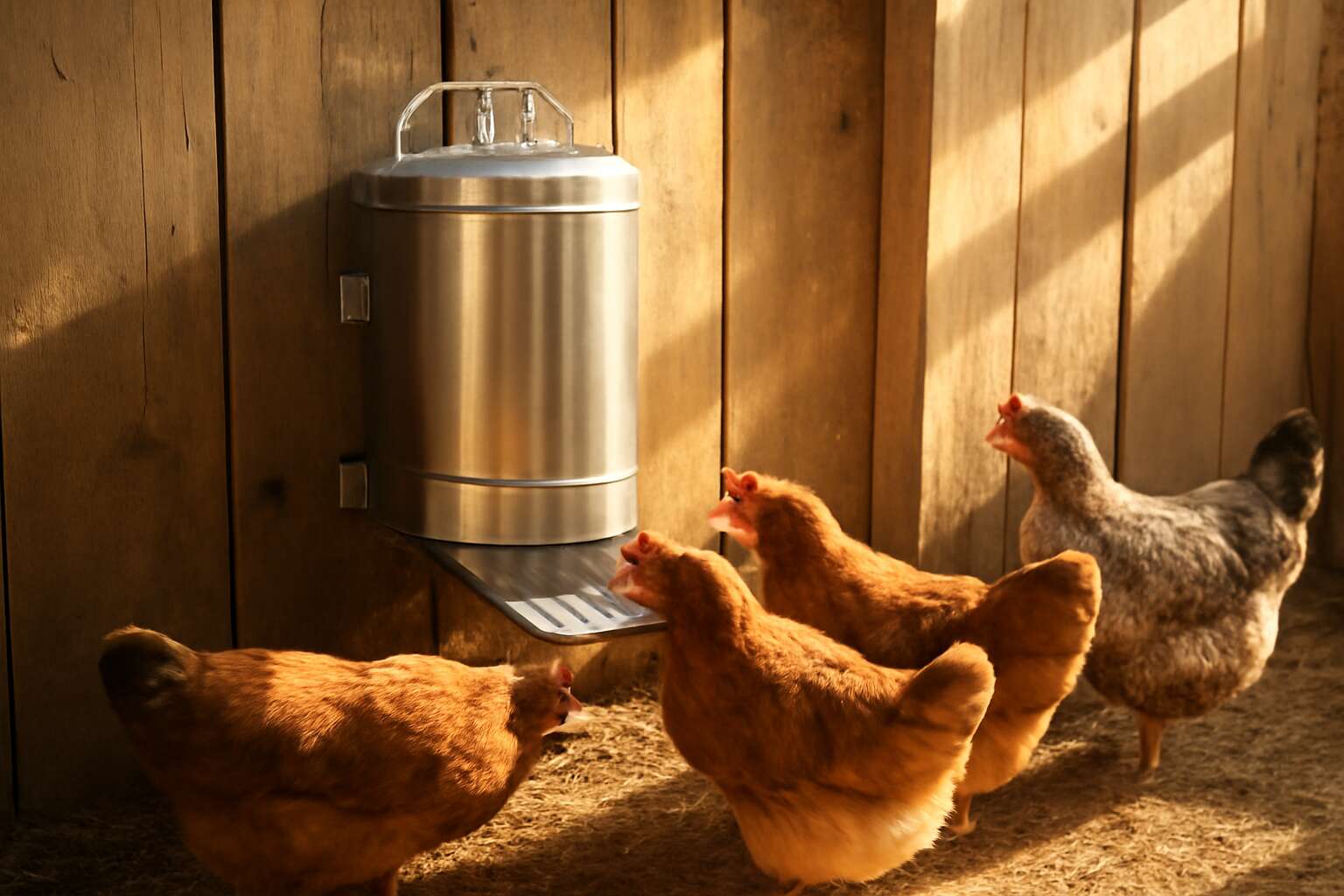
These systems rely on a raised reservoir; as birds drink, water flows into a shallow trough, keeping a fresh pool within easy reach. For water dispensers for chickens, gravity-fed designs marry rustic reliability with modern simplicity, ideal for off-grid South African farms.
Common configurations:
- Trough-style gravity-fed units that keep a constant water line
- Cup-style gravity-fed dispensers for quick, shallow sips
- Nipple-style systems arranged to use gravity in longer runs
Materials matter—stainless steel for longevity, UV-resistant plastics for light-drenched paddocks—and routine cleaning to curb bacteria in heat. With thoughtful layout, gravity-fed waterers for chickens and water dispensers for chickens in sunlit paddocks become a dependable heartbeat in South African flocks.
Nipple drinkers and drinker cups
Three litres per bird per day—the sun won’t wait, and hydration should never lag. In warm Karoo mornings, water dispensers for chickens become quiet lighthouses on the farm, guiding thirsty flocks toward steady drink amid heat and dust. They stand without spark or noise, a promise of calm hydration.
Nipple drinkers and drinker cups illustrate two elegant paths. The nipple system channels a precise, gravity-fed drip, with minimal splash and waste; drinker cups offer gentle, shallow sips that feel almost ceremonial.
- Nipple drinkers: gravity-fed, minimal splash, cleaner troughs.
- Drinker cups: shallow sips, easy access for feathered patrons.
Materials matter; stainless steel and UV-stabilized plastics endure sun and dust, while thoughtful layouts keep these drinkers whisper-quiet in the coop, turning hydration into a steady, almost mythic rhythm.
Bowls and troughs for different flock sizes
Three litres per bird per day is a common target for keeping a flock hydrated, even in the sun-baked Karoo. Water dispensers for chickens shape the rhythm of daily life—quiet, accessible, and predictable.
Bowls and troughs cover the spectrum for flock sizes. For small groups, shallow bowls placed low invite easy sipping. For mid-sized flocks, longer troughs reduce crowding and splash. For large flocks, raised or communal troughs keep water moving without bottlenecks.
- Small flocks: shallow bowls, anti-tip design
- Mid-sized flocks: linear troughs with adjustable height
- Large flocks: durable, wide troughs with splash guards
Materials matter—stainless steel and UV-stabilized plastics endure sun and dust, while smooth interiors cut cleaning time. Thoughtful layouts and robust seals keep noise down and water clean, turning hydration into a steady, almost ritual cadence with water dispensers for chickens.
Portable versus permanent installations
Three litres per bird per day is more than a guideline in the Karoo’s glare; it’s the rhythm that keeps a flock resilient. Water dispensers for chickens shape daily life—quiet, accessible, and reassuringly predictable—so hens drink in steady, unhurried sips and the coop remembers the day by a cool, calm flow.
Portables travel with the flock and the seasons, sliding between shade, dust, and nest boxes, easy to move when paddocks shift or weather tightens. Portable water dispensers for chickens offer flexibility in where the birds drink, while permanent installations anchor a steady supply in larger runs, reducing spill points and fatigue, turning hydration into a constant, communal routine rather than a game of chance.
- Flexible placement for mobile or free-range systems
- Reliable flow with fewer maintenance hassles in larger enclosures
- Durable builds that withstand dust, wind, and sun
Durability, materials, and maintenance
Material options for durability
Durability is the quiet hero in any coop. For water dispensers for chickens, the ability to withstand pecking, wind, and sun is what keeps birds hydrated without drama. A well-made unit feels almost autonomous—trustworthy, low-maintenance, and ready when the flock gathers at dawn.
Material options for durability balance weight, resilience, and sanitation. The right choice looks beyond aesthetics and into how the device endures South African sun and dust. Consider these durable options:
- Stainless steel components for corrosion resistance and easy sanitization
- UV-stabilized plastics (HDPE or polycarbonate) to resist sun damage
- Food-grade polymers with tight fittings to prevent leaks
Maintenance, too, is a spell that can extend a dispenser’s life. Regular inspection and gentle cleaning keep water clear and joints tight, reducing downtime when the flock is hungry for hydration.
Cleaning and sanitation routines
Heat waves crack the air in South African poultry yards, and hydration becomes the make-or-break factor. With water dispensers for chickens, durability is the quiet hero—tough enough to shrug off pecking, dust, and sun, yet gentle on the flock. A well-made unit feels almost autonomous, trustworthy at dawn and gossip-free all day.
- Corrosion resistance and easy sanitization
- UV stability to resist sun damage
- Tight fittings to prevent leaks and keep contaminants out
Maintenance is the quiet spell that lengthens life. Regular inspection and gentle cleaning keep water clear and joints tight, cutting downtime when the flock gathers. For water dispensers for chickens, I keep a light touch and a ready stance—hydration without drama, every morning.
Preventing contamination and algae growth
Heat-waves ripple across South African yards, and hydration becomes the frontline of flock health. A recent local survey found that properly maintained water systems can cut downtime by as much as 40%. Water dispensers for chickens are the quiet heroes—durable, dependable, and serene at dawn.
Durability starts with design and materials. Seek corrosion-resistant metals or UV-stable plastics, plus tight fittings that resist leaks and keep grit out. A well-made unit shrugs off pecking, dust, and sun, while staying gentle on the flock.
- Stainless steel or UV-stable plastics for the body
- Sealed joints and quality gaskets
- Smooth inner surfaces for easy cleaning
Maintenance is the quiet spell that lengthens life. Regular checks and gentle cleaning keep water clear and joints tight, curbing downtime when the flock gathers. Preventing contamination and algae growth relies on cleanable materials, easy disassembly, and thoughtful placement in the coop. This approach suits water dispensers for chickens.
Winterization and freeze protection
Durability in the field hinges on a body that can weather grit, sun, and the first frost. Stainless steel or UV-stable plastics, paired with tight fittings, resist corrosion and leaks while keeping the interior surfaces smooth for quick cleaning. Water dispensers for chickens become the quiet backbone of a flock’s dawn routine.
Maintenance during the colder months is the slow, observant art that preserves function. Regular checks for ice, stiff gaskets, and blocked channels curb downtime as the flock gathers. Winterization and freeze protection demand thoughtful placement and easy disassembly, so hygiene and flow stay uninterrupted.
- Insulated enclosure
- Frost-proof fittings
- Elevated or sheltered placement
Troubleshooting common wear issues
Across South Africa’s backyards and commercial runs, hydration shapes performance — proper water management can lift feed efficiency by up to 5%. Durability is the quiet backbone of that promise. In the field, stainless steel and UV-stable plastics shrug off grit and sun, while tight fittings seal out leaks. For water dispensers for chickens, smooth interior surfaces speed cleaning and curb contamination, letting dawn meet the flock with a whisper of confidence.
- Ice formation at fittings disrupts flow
- Stiff or cracked gaskets compromise seal
- Clogged channels from dust or algae
During colder spells, observant care keeps function steady. Regular checks for wear and subtle changes curb downtime as the flock gathers. Think of these systems as living, resilient devices needing only gentle attention to stay ready at dawn.
Installation, placement, and optimization
Placement height and flock size considerations
Hydration is the frontline of flock health. Installation and placement set the baseline for reliable hydration. Water dispensers for chickens are commonly placed at chest height, roughly 25 to 40 cm off the floor, with easy access from perches and away from direct sun. Mount securely to cut spill and tipping. Smart placement makes hydration easy for the flock!
Consider flock size when planning placement.
- Ensure equal access for all birds
- Keep drinkers away from feed areas
- Space units to reduce crowding and contamination
Optimization comes with regular checks. As birds grow, reassess height and reach for water dispensers for chickens to maintain comfort and reduce waste. Maintain clean, steady flow and avoid standing water to discourage algae. In SA, a shaded, ventilated area helps water stay cooler and inviting.
Connecting multiple units and system scalability
“Water is the pulse of the flock,” a truth that haunts SA sheds. Installations should feel robust yet adaptable, with units that breathe as one. Placement must serve every perch, resist heat, and stand firm to tame spills. A well-laid network lets hydration travel through the coop like a quiet, inexorable current, easy to access and hard to disrupt!
A cohesive layout ties the water dispensers for chickens into a single, scalable hydration network.
- A unified approach to pressure and flow across multiple units
- Durable, corrosion-resistant fittings suited to SA heat and dust
- Accessible design for inspection and ongoing maintenance as the flock grows
Optimization grows with patient observation; as flocks expand, the network breathes alongside them, expanding without drama. In shaded, ventilated yards, cooler water invites birds and reduces waste, rendering hydration a steady, silent ally. The term water dispensers for chickens surfaces again as the coop grows, a quiet vow kept by durable design.
Safe connections and chew protection for chickens
In South Africa’s heat, hydration is a straight-up performance sport. Installations should feel robust yet adaptable, a network that breathes as one. With water dispensers for chickens forming a single hydration chain, you’ll reduce spills and keep birds drinking when the coop sizzles at high noon.
- Rugged, UV-stable tubing
- Chew-safe fittings and caps
- Corrosion-resistant hardware
Placement and connections deserve respect: snug fittings, corrosion resistance, and chew protection keep the system humming rather than rattling in the dust. Safe connections reduce leaks and guard against curious beaks. Consider chew-resistant housings and shielded tubing to outwit a determined beak.
Optimization grows with quiet observation; as the flock grows, the network adapts, maintaining steady pressure and accessible maintenance. In shaded yards, cooler water invites birds and cuts waste, turning hydration into a dependable ally.
Monitoring water usage and performance indicators
When the South African sun climbs, the hydration network must feel robust yet adaptable. Installations should align with shade, airflow, and the coop’s routines, so lines breathe with the flock. For water dispensers for chickens, simple, tidy routing reduces spills and keeps the system humming from dawn until dusk.
- Track daily consumption trends per bird to spot leaks or demand shifts.
- Monitor flow consistency and pressure; sudden drops signal blockages or air ingress.
- Observe water temperature and cleanliness to prevent algae and spoilage.
- Note refill cadence as observed to gauge capacity against flock activity.
Monitoring indicators guide optimization: steady flow, minimal spills, water staying pleasantly cool, and easy access for top-ups. As the flock grows, the network should scale with quiet efficiency, letting every beak drink without distraction. With water dispensers for chickens, a well-tuned system stays on beat through heat and bustle.
Integrating with coop design and litter management
Hydration powers a flock’s daily rhythm, and in South Africa’s heat, placement becomes performance. Installation should feel deliberate: position water dispensers for chickens where shade meets a gentle breeze, at shoulder height for easy top-ups, and where lines glide away from roost areas to keep litter dry. A tidy run reduces spills and keeps the system humming from dawn to dusk.
Integrating with coop design and litter management means thinking about flow, not just fixtures. Align drinker paths with daily routines, tuck pipes along walls, and choose materials that wipe clean in moments.
- Shade-friendly placement that keeps temperatures steady.
- Low-spill routing to protect bedding and litter.
- Easy top-ups aligned with flock activity to reduce interruptions.
Smart placement supports ventilation, airflow, and bedding hygiene, letting every beak drink without distraction.

0 Comments