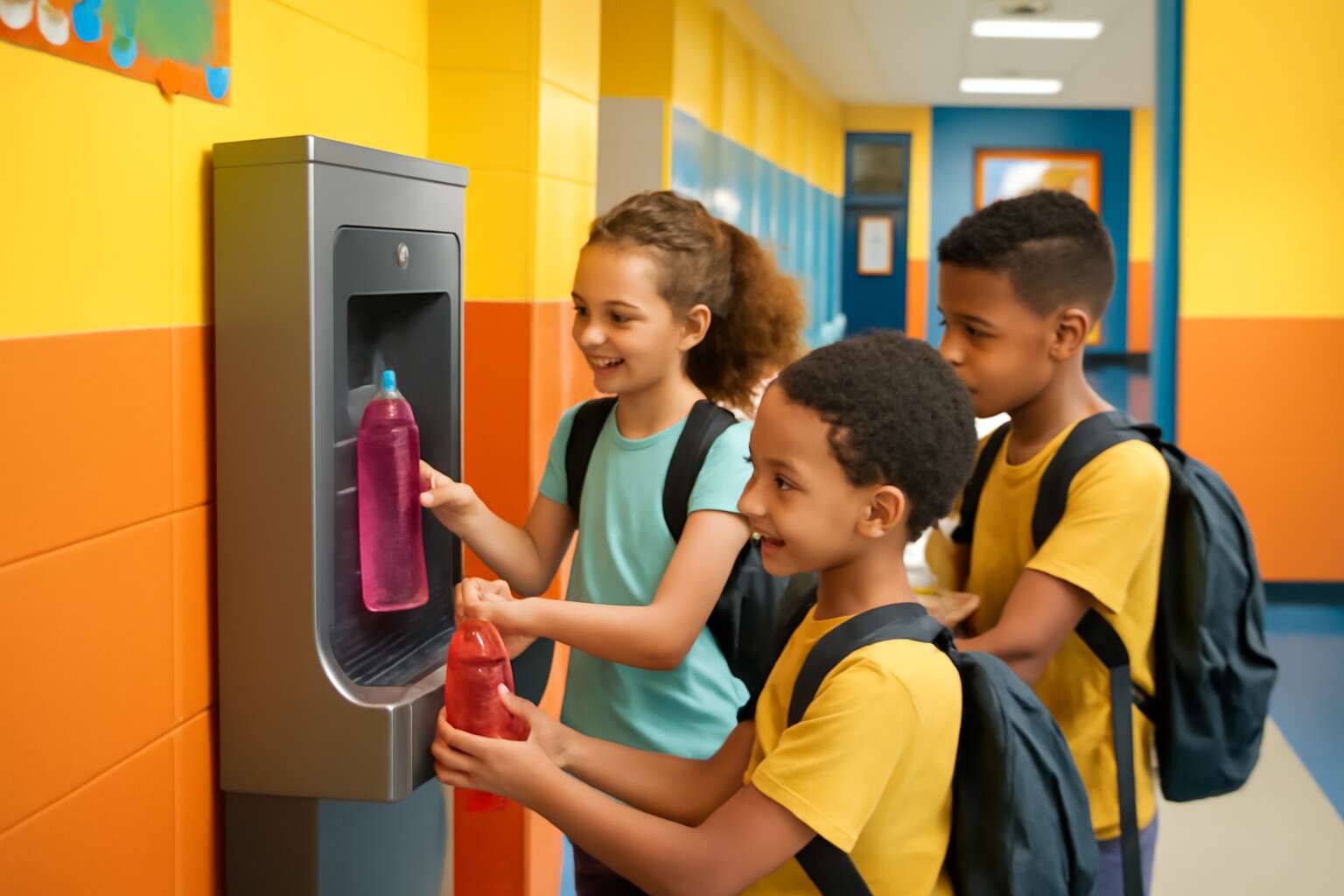
Benefits of Installing Water Dispensers in Educational Institutions
Promotes Student Health and Hydration
Imagine a bustling school corridor where the air hums with youthful energy, and every student’s step is fueled by the promise of hydration. Installing water dispensers for schools transforms this vibrant scene into a sanctuary of health and vitality. Recent studies reveal that proper hydration can boost cognitive function and concentration, turning a simple water fountain into a catalyst for academic excellence. When students have easy access to fresh, filtered water, they are more likely to stay hydrated throughout the day, reducing the risk of dehydration-related fatigue and headaches.
Beyond the health benefits, water dispensers for schools foster a culture of wellness that resonates deep within the educational environment. They serve as a gentle reminder of the importance of self-care amidst the hustle of daily lessons. Furthermore, these dispensers help in cultivating environmentally conscious habits by minimizing plastic waste caused by bottled water. The integration of modern, sleek water dispensers not only elevates the school’s aesthetic but also encourages students to develop lifelong hydration habits, turning hydration from a mundane task into a vital pillar of their well-being.
Encourages Healthy Drinking Habits
In every corner of a South African classroom, young minds are eager to learn and grow. Yet, many students often overlook the simple act of drinking water, unaware of its profound impact on their learning journey. Installing water dispensers for schools encourages healthy drinking habits, making hydration an effortless part of their daily routine. When accessible, these dispensers serve as silent teachers, reminding students that self-care fuels both body and mind.
Moreover, a well-placed water dispenser can transform the school environment into a hub of wellness. It fosters a culture where hydration is valued, and students are motivated to make better choices for their health. To truly grasp the significance, consider this: students who maintain proper hydration are more alert, attentive, and ready to absorb new information. Water dispensers for schools are not just fixtures—they are vital tools in nurturing resilient, focused learners.
Incorporating these dispensers also promotes environmentally conscious habits. By reducing reliance on single-use plastic bottles, schools contribute to sustainability efforts that resonate beyond the classroom. Here’s how they make a difference:
- Encourage consistent hydration throughout the day
- Reduce plastic waste and promote eco-friendly practices
- Enhance the overall aesthetic of school facilities with sleek, modern designs
With the right water dispensers for schools, creating a healthier, more sustainable learning environment becomes a tangible goal—one sip at a time.
Reduces Plastic Waste
Every year, millions of plastic bottles clog our landfills and waterways, a silent testament to our collective neglect. Water dispensers for schools stand as a quiet but powerful countermeasure—a way to challenge this cycle of waste. When schools install these fixtures, they do more than just provide hydration; they actively reduce reliance on single-use plastic bottles, fostering an ethos of sustainability. It’s a moral imperative, really—creating a space where the environment is valued and preserved for future generations.
By integrating water dispensers for schools into daily routines, institutions become catalysts for eco-conscious behavior. These dispensers serve as tangible reminders that small actions—refilling a reusable bottle instead of discarding a plastic one—can ripple outward, cultivating a culture of responsibility. The tangible benefits are clear: less plastic waste, cleaner surroundings, and a community that takes pride in making environmentally sound choices.
- Significant reduction in plastic waste
- Promotion of sustainable practices among students
- Enhanced school aesthetic with modern, eco-friendly designs
Ultimately, the installation of water dispensers for schools embodies a profound commitment—one that recognizes the interconnectedness of health, education, and environmental stewardship. It’s an investment in a future where every sip taken is a step toward a more sustainable world, one that respects the delicate balance of our planet. In this dance of human necessity and moral duty, water dispensers become not just fixtures but symbols of hope and responsibility.
Cost-Effective and Convenient Access to Fresh Water
In many South African schools, access to clean, fresh water is not always guaranteed, yet it remains essential for student well-being and academic performance. Installing water dispensers for schools offers a practical and cost-effective solution that bridges this vital gap. These fixtures provide immediate access to refreshing water, eliminating the need for students and staff to carry or purchase bottled drinks daily.
Beyond hydration, water dispensers for schools are an investment in operational efficiency. They reduce the recurring expense of purchasing bottled water and minimize waste management costs caused by plastic bottles. The simplicity of refilling a reusable water bottle from a dispenser fosters a culture of sustainability and responsible consumption among students. This small but meaningful change can inspire lifelong habits rooted in environmental consciousness.
Furthermore, modern water dispensers are designed with durability and ease of maintenance in mind. They often come with features such as filtration systems, ensuring the water remains pristine and safe for consumption. Schools can select from a variety of styles—ranging from sleek, integrated units to robust, standalone models—to seamlessly blend into their environment, enhancing the school’s aesthetic appeal. Installing water dispensers for schools is more than a convenience; it’s a commitment to fostering health, sustainability, and efficiency in every classroom.
Types of Water Dispensers Suitable for Schools
Bottleless Water Dispensers
In the bustling corridors of South African schools, where young minds are molded and futures forged, the choice of water dispensers for schools can be as pivotal as the lessons taught. Among the most innovative options are bottleless water dispensers, which transform the traditional drinking experience into a seamless, hygienic ritual. These modern marvels connect directly to the building’s water supply, eliminating the need for cumbersome bottles and reducing plastic waste—a crucial step toward sustainability.
What sets bottleless water dispensers apart is their ability to deliver crisp, purified water at the flick of a switch. They often feature advanced filtration systems, ensuring every sip is free from impurities and contaminants. For schools seeking efficiency and cleanliness, these dispensers represent a harmonious blend of technology and eco-consciousness. Their sleek design and user-friendly interface also make them a favorite among educators and students alike, fostering a culture of health and hydration that lasts a lifetime.
Desktop Water Dispensers
For schools, space is often at a premium, but access to clean, fresh water is essential. Desktop water dispensers for schools offer a compact, efficient solution that fits perfectly into busy hallways and staff rooms. These dispensers are designed to sit comfortably on desks or countertops, providing instant hydration without taking up valuable floor space.
Many models come with easy-to-use controls and built-in filtration systems, ensuring students and staff enjoy pure, refreshing water. Their simplicity makes them ideal for classrooms, staff lounges, or administrative offices. Plus, their low-maintenance nature means schools can focus on what truly matters — education and student health.
When selecting water dispensers for schools, consider options like:
- Electric countertop dispensers for quick, hot or cold water.
- Manual push-button models designed for durability and ease of use.
- Combination units that offer both filtered and chilled water in one sleek package.
These versatile options make it easy to promote hydration and well-being throughout the school day, ensuring everyone stays refreshed and focused. The right choice of water dispensers for schools can seamlessly integrate into daily routines, fostering a culture of health and sustainability.
Wall-Mounted Water Dispensers
Wall-mounted water dispensers for schools offer a practical, space-saving solution that fits seamlessly into busy hallways and communal areas. Unlike bulky models, these units are designed to be fixed on walls, freeing up valuable floor space while still providing easy access to fresh drinking water. Their unobtrusive design makes them an excellent choice for classrooms, cafeterias, or administrative offices, where space is at a premium.
These dispensers typically feature durable construction and simple controls, ensuring longevity and ease of use for students and staff alike. Many models include advanced filtration systems, guaranteeing that the water dispensed is not only accessible but also clean and safe. For schools looking to promote sustainability, wall-mounted water dispensers for schools help reduce plastic waste by encouraging refillable bottles and decreasing reliance on single-use plastics.
Countertop Water Dispensers
Countertop water dispensers for schools are the unsung heroes of hydration stations—compact, efficient, and surprisingly stylish. These little marvels fit neatly on desks or counters, making them ideal for quick water breaks in busy classrooms or administrative areas. They’re perfect for schools that need a straightforward solution without sacrificing space or functionality.
Many models come with features designed with school life in mind, including built-in filtration systems and user-friendly controls. Plus, they often boast energy-efficient designs, ensuring that hydration doesn’t come at the cost of electricity bills. For schools keen on promoting healthier choices, countertop water dispensers for schools are an accessible, low-maintenance way to keep students refreshed and ready to learn.
- Compact footprint fits easily on any desk or countertop
- Simple controls ensure ease of use for students of all ages
- Integrated filtration guarantees safe, clean drinking water
Whether in a science lab, staff lounge, or library, these water dispensers make staying hydrated effortless. They are a reliable, cost-effective addition to any educational institution aiming to foster wellness, all while seamlessly blending into the school environment.
Key Features to Consider When Choosing Water Dispensers for Schools
Filtration Capabilities
In the pursuit of nurturing bright minds and vibrant futures, the importance of pure, accessible water cannot be overstated. When selecting water dispensers for schools, filtration capabilities stand as a cornerstone of quality. Imagine a device that not only provides water but transforms it into a pure, revitalizing elixir—this is what advanced filtration offers. Effective filtration systems eliminate impurities, ensuring that every drop students sip is safe and healthful.
For schools, the choice of filtration technology can significantly impact overall well-being. High-quality water dispensers for schools often feature multiple stages of filtration—carbon filters, reverse osmosis, or UV sterilization—each designed to address specific contaminants. Such systems guarantee that harmful bacteria, chlorine, and heavy metals are removed, fostering an environment of trust and wellness.
In a landscape where health and education intersect, filtration capabilities are not just a feature—they are a vital safeguard that elevates the standard of hydration, nurturing a generation that values purity and care.
Ease of Use for Children and Staff
When it comes to selecting water dispensers for schools, ease of use isn’t just a bonus—it’s an absolute necessity. Imagine a device so intuitive that even the most distracted student can operate it without a crash course in quantum physics. Simplicity encourages consistent hydration, which is vital for learning and focus. A well-designed water dispenser should have straightforward controls, clear signage, and accessible spouts at a height suitable for children and staff alike.
To truly maximize convenience, consider models that require minimal maintenance—no one wants their water dispenser turning into a forgotten relic. Features like touchless operation, automatic fill levels, or easy-to-clean surfaces make daily use a breeze. After all, the goal is to remove barriers to hydration, turning it into a seamless, almost instinctive part of the school day.
Durability and Material Quality
Choosing the right water dispensers for schools isn’t just about aesthetics or brand reputation; it’s about resilience. Schools are bustling hubs, and water dispensers must withstand the daily grind without faltering. Durability and material quality are paramount, ensuring these units stand the test of time amidst constant use. Heavy-duty stainless steel or high-grade plastics are often the best options—they resist corrosion, scratches, and accidental impacts, which are inevitable in a lively school environment.
Additionally, a robust construction reduces maintenance costs and minimizes downtime, keeping hydration accessible at all times. When selecting water dispensers for schools, look for models crafted from quality materials that promise longevity and resilience. After all, in a setting where every drop counts, a durable dispenser is an investment in the health, safety, and productivity of students and staff alike. Remember, a well-made water dispenser isn’t just a convenience; it’s a cornerstone of a thriving, hydrated school community.
Size and Capacity
Choosing the right water dispensers for schools isn’t just about style or brand recognition; it’s about matching capacity to the unique needs of a busy educational environment. Schools typically host hundreds of students and staff daily, making capacity a critical factor. An undersized dispenser can cause long queues and frustration, while an oversized unit might be an unnecessary expense.
When evaluating water dispensers for schools, consider models with varying size options to suit different spaces and usage levels. For instance, countertop water dispensers are ideal for smaller areas, while wall-mounted units conserve space in crowded hallways. Larger, high-capacity dispensers ensure continuous access during peak times, reducing downtime and promoting hydration without interruption.
- Assess the number of students and staff to estimate daily water consumption.
- Prioritize models with flexible capacity options that can scale as the school grows.
- Ensure the dispenser size fits seamlessly into existing spaces without crowding hallways or classrooms.
Ultimately, selecting water dispensers for schools with appropriate size and capacity guarantees consistent access to fresh water, supporting a healthier, more productive learning environment. It’s about making hydration effortless and ensuring every student and staff member stays refreshed throughout the day!
Energy Efficiency
When it comes to water dispensers for schools, energy efficiency isn’t just a buzzword; it’s a vital feature that saves money and keeps the lights on without causing a blackout. Imagine a device that quenches thirst and slashes electricity bills simultaneously—sounds like a unicorn, right? But it’s possible with modern models boasting smart energy-saving modes and insulation that keeps water cool without constantly running the compressor.
Some water dispensers for schools come equipped with advanced features like automatic shut-off and standby modes, ensuring they only use power when needed. This not only prolongs the lifespan of the unit but also aligns with eco-friendly initiatives that many South African schools are embracing. Plus, energy-efficient models tend to be quieter, avoiding the distraction of an industrial hum during lessons.
- Look for dispensers with high Energy Star ratings to guarantee optimal efficiency.
- Check if the unit has insulated tanks to reduce power consumption for cooling or heating.
- Consider models with programmable settings that adapt to peak usage times, ensuring energy isn’t wasted during off-hours.
In the end, choosing energy-efficient water dispensers for schools is a smart move—cost-effective, environmentally conscious, and a surefire way to keep hydration flowing without draining resources. After all, a well-energized school is a thriving school!
Maintenance Requirements
Choosing the right water dispensers for schools demands more than just a glance at their appearance; it’s an intricate dance of maintenance requirements that can make or break the sustainability of hydration solutions on campus. An often-overlooked consideration is the ease of upkeep. After all, a device that demands constant attention can quickly become a burden rather than a boon. The ideal water dispensers for schools should blend durability with simplicity, ensuring staff can perform routine tasks without frustration or extensive training.
Look for models that feature accessible parts—removable drip trays, filter replacements, and straightforward cleaning procedures—so maintenance becomes a manageable task rather than an ordeal. Additionally, consider dispensers with self-cleaning functions or antimicrobial surfaces, which reduce the frequency of manual cleaning and prolong the unit’s lifespan. The ease of replacing filters and the availability of spare parts are vital factors that contribute to the longevity and hygiene of the water dispensers for schools, safeguarding student health while minimizing downtime.
- Ease of access for routine cleaning and filter replacement
- Durability of materials to withstand busy school environments
- Availability of spare parts and technical support
- Features like self-cleaning cycles or antimicrobial surfaces
Ultimately, the maintenance requirements of water dispensers for schools should align seamlessly with the bustling rhythm of educational institutions. When maintenance is simplified, the focus remains on fostering a healthy, hydrated environment—where every sip sustains the future leaders of tomorrow!
Installation and Maintenance of Water Dispensers in Schools
Placement Tips for Accessibility and Safety
Ensuring the seamless installation and ongoing maintenance of water dispensers for schools is a crucial element in fostering a culture of hydration and wellness among students. Proper placement not only amplifies accessibility but also fortifies safety protocols, transforming the water station into an inviting, hazard-free zone. Strategic positioning—preferably in high-traffic areas such as hallways, cafeterias, or common rooms—maximizes usage while reducing congestion.
Placement Tips for Accessibility and Safety should prioritize eye-level positioning for children, with clear pathways unobstructed by furniture or equipment. Regular maintenance, including routine filter changes and surface sanitation, sustains the purity of the water and prolongs the lifespan of the units.
To streamline these efforts, consider a systematic approach:
- Conduct a site assessment to identify optimal locations
- Ensure sturdy mounting, especially for wall-mounted water dispensers
- Implement a maintenance schedule that includes cleaning, filter replacement, and safety inspections
By integrating these considerations, schools can cultivate an environment where water dispensers for schools become not just fixtures but vital pillars supporting student health and safety.
Scheduled Cleaning and Filter Replacement
Ensuring the longevity and optimal performance of water dispensers for schools requires more than just installation; it demands a disciplined approach to scheduled cleaning and filter replacement. Over time, mineral deposits, dust, and grime can accumulate, compromising water quality and potentially introducing health risks. Regular maintenance is not merely an administrative task—it’s an ethical obligation to safeguard student health and uphold the integrity of the water source.
A systematic maintenance schedule should be the backbone of your strategy. This includes routine cleaning of surfaces, sanitizing nozzles, and inspecting the structural integrity of the unit. Filter replacement is equally critical; a clogged or outdated filter diminishes filtration capabilities and can lead to bacteria buildup. For water dispensers for schools, adhering to the manufacturer’s recommended intervals—often every three to six months—ensures the water remains pure and safe.
Implementing a simple, yet effective, routine—such as creating a maintenance log or checklist—can streamline these efforts. This proactive approach transforms the water dispenser from a mere fixture into a trusted component of the school’s health infrastructure, ensuring that every sip taken is a step toward wellness.
Training Staff and Students on Proper Usage
Installing water dispensers for schools isn’t just about placing a sleek unit in the hallway; it’s about creating a reliable health anchor within the educational environment. Proper installation ensures safety, accessibility, and seamless operation, laying the foundation for a sustained hydration culture. From choosing the right spot—preferably at eye level and away from high-traffic areas—to securing power connections and ensuring proper ventilation, every detail matters. An expertly installed unit minimizes risks and maximizes durability, making it an essential part of the school’s infrastructure.
Once in place, ongoing maintenance becomes the heartbeat of its longevity. Regular inspections, routine cleaning, and timely filter replacements keep water quality pristine and the dispenser functioning flawlessly. Training staff and students on proper usage enhances safety and encourages responsible behavior, transforming the water dispenser from a simple fixture into a vital health resource. Engaging educational sessions or visual guides can foster a culture of care around this vital piece of school equipment.
Budget Considerations for Schools
Investing in water dispensers for schools requires careful planning beyond initial installation. Budget considerations should include not only the purchase price but also ongoing expenses such as maintenance, filter replacements, and potential repairs. A well-maintained water dispenser is essential to ensure safe and reliable access to fresh water for students and staff alike.
To keep costs manageable, many schools opt for energy-efficient models that reduce electricity consumption and lower operational expenses. Additionally, choosing durable materials can minimize repair costs and extend the lifespan of the water dispenser. It’s important to evaluate size and capacity to match the school’s needs, avoiding unnecessary expenditure on oversized units.
Schools should also consider flexible maintenance plans. Regular scheduled cleaning and prompt filter replacements prevent water quality issues and equipment breakdowns. Budgeting for these recurring costs ensures the water dispenser remains a trusted health resource. For a streamlined approach, some institutions implement a tiered maintenance schedule, prioritizing high-use areas with more frequent servicing.
Ultimately, selecting cost-effective water dispensers for schools involves balancing initial investment with long-term savings. Proper placement, energy-efficient features, and reliable maintenance contribute to a sustainable hydration solution that benefits everyone in the school community.
Legal and Safety Standards for Water Dispensers in Educational Settings
Compliance with Health Regulations
When it comes to water dispensers for schools, ensuring compliance with legal and safety standards is not just a regulatory checkbox—it’s a moral imperative. Water safety regulations in South Africa demand rigorous adherence to health and sanitation protocols, especially in environments where children gather daily. Neglecting these standards risks not only hefty fines but also the well-being of students and staff.
To guarantee safety, most jurisdictions require that water dispensers for schools meet specific filtration and hygiene benchmarks. These include regular sanitation, proper installation, and certified materials that prevent contamination. An effective way to stay compliant is to follow a clear set of guidelines, such as:
- Ensuring that water dispensers are constructed from durable, non-toxic materials.
- Implementing scheduled cleaning routines and filter replacements.
- Training staff and students on proper usage and hygiene practices.
Adhering to these standards not only safeguards health but also fosters trust among parents and staff—turning water dispensers for schools into pillars of safety, not hazards lurking in plain sight.
Ensuring Water Quality and Safety
Ensuring water quality and safety in educational settings is more critical than ever. With South Africa’s strict health regulations, every water dispenser for schools must adhere to rigorous standards to protect students and staff alike. These standards are not merely bureaucratic hurdles; they are essential safeguards against contamination and waterborne illnesses.
Legally, water dispensers for schools are required to meet specific filtration and hygiene benchmarks. This includes using certified, non-toxic materials and maintaining regular sanitation routines. Proper installation and routine filter replacements are fundamental, ensuring the water remains clean and safe for daily consumption. Compliance isn’t optional—it’s a moral obligation to prioritize health in environments where children learn and play.
Regulatory bodies often specify that water dispensers must be built from durable, non-toxic materials and positioned for easy access without compromising safety. To stay compliant, schools should implement a comprehensive maintenance plan that covers scheduled cleaning, filter changes, and staff training on proper hygiene practices. These steps not only meet legal standards but also build community trust, turning water dispensers for schools into reliable sources of safe drinking water.
Child Safety Features
In the realm of educational environments, child safety is paramount—especially when it comes to water dispensers for schools. These vital fixtures must adhere to stringent legal and safety standards that prioritize the well-being of students and staff alike. Ensuring compliance is more than a bureaucratic necessity; it is a moral imperative rooted in safeguarding health. Water dispensers for schools should be constructed from durable, non-toxic materials that withstand the rigors of daily use, while also minimizing any risk of contamination.
Regulatory bodies mandate that these dispensers incorporate child safety features to prevent accidents and misuse. For instance, models with secure, tamper-proof lids or ergonomic designs ensure that children can access safe drinking water effortlessly without compromising safety. Schools should also implement routine maintenance protocols, including scheduled cleaning and filter changes, to uphold water purity. By prioritizing these safety features and adhering to legal standards, educational institutions can foster a secure environment where hydration is both accessible and trustworthy.
Cost Analysis and Budgeting for Water Dispenser Procurement
Initial Purchasing Costs
Allocating funds for water dispensers for schools demands a meticulous cost analysis that balances affordability with durability. The initial purchasing costs can vary significantly depending on the type of dispenser—whether it’s a bottleless water dispenser, a countertop water dispenser, or a wall-mounted model. Each option presents unique financial implications, from upfront investment to long-term savings. Schools must weigh these factors carefully, considering not only the purchase price but also installation, maintenance, and energy efficiency. An effective budgeting strategy involves understanding the lifecycle costs associated with water dispensers for schools, ensuring that the investment remains sustainable over time. By aligning procurement decisions with the school’s financial health, administrators can foster a culture of hydration that benefits students without compromising fiscal responsibility. After all, the true value of water dispensers for schools lies in their ability to provide accessible, safe drinking water—an investment that nurtures both health and education.
Long-term Maintenance Expenses
In the realm of water dispensers for schools, understanding the true cost extends beyond the initial purchase to encompass long-term maintenance expenses. These ongoing costs can significantly influence the overall budget, demanding careful analysis and strategic planning. Neglecting to consider maintenance can lead to unexpected financial strain, undermining the sustainability of the investment.
Maintenance expenses for water dispensers for schools often include filter replacements, routine cleaning, and occasional repairs. Some models, such as bottleless water dispensers, require advanced filtration systems that need regular servicing to ensure water quality remains uncompromised. Conversely, simpler countertop water dispensers might have lower upkeep but could lack durability over time. Schools should evaluate these factors diligently, balancing upfront costs against future expenses.
To streamline budgeting, consider implementing a structured schedule for scheduled cleaning and filter replacement. This proactive approach minimizes downtime and extends the lifespan of the equipment. A well-maintained water dispenser not only guarantees safety and hygiene but also reduces costly emergency repairs. Ultimately, a comprehensive cost analysis that incorporates long-term maintenance expenses ensures that water dispensers for schools remain a sustainable and valuable asset, safeguarding health while respecting financial boundaries.
Cost-Benefit Analysis
Embedding water dispensers for schools into your institution’s infrastructure isn’t just about the initial investment; it’s about understanding the intricate dance between procurement costs and long-term financial sustainability. A meticulous cost analysis reveals that choosing the right water dispenser model can dramatically influence your budget’s trajectory over time. While a cheaper, basic countertop water dispenser may seem appealing at first glance, the hidden costs of frequent repairs or replacements can quickly escalate.
Strategic budgeting requires a transparent view of both upfront expenses and ongoing maintenance. For example, factoring in expenses such as filter replacements, energy consumption, and durability can illuminate the true value of each model. Some schools opt for a phased approach, prioritising models with superior filtration capabilities and energy efficiency, which, despite higher initial costs, tend to be more economical long-term.
- Initial purchase price
- Maintenance and filter replacement costs
- Durability and material quality
These considerations form the backbone of a comprehensive cost-benefit analysis, ensuring that water dispensers for schools remain a sustainable investment rather than a financial burden.
Case Studies and Success Stories
Schools Improving Hydration and Health
Several schools across South Africa have transformed student health outcomes through the strategic implementation of water dispensers for schools. One notable case involved a primary school in Johannesburg, which reported a 30% increase in hydration levels after installing wall-mounted water dispensers. This simple upgrade significantly improved focus, energy, and overall well-being among learners.
Success stories like these highlight how accessible, high-quality water dispensers for schools can foster healthier habits. In another instance, a rural school incorporated bottleless water dispensers, reducing plastic waste and cutting costs. The impact extended beyond health—creating an environment that encourages sustainability and responsibility among students.
- Enhanced hydration habits
- Reduced plastic waste
- Cost savings over time
These real-world examples underscore the profound benefits water dispensers for schools bring, making them an essential investment in educational environments committed to student health and sustainability.
Environmental Impact and Waste Reduction
Real-world case studies reveal the transformative power of water dispensers for schools. In a rural South African school, the introduction of bottleless water dispensers led to a measurable decline in plastic waste and fostered a culture of sustainability among students. This shift not only improved environmental awareness but also highlighted the cost savings associated with reduced reliance on bottled water.
Another compelling success story involves an urban primary school where wall-mounted water dispensers increased hydration rates by 30%. The ease of access encouraged students to drink more water, boosting concentration and overall well-being. These narratives demonstrate that investing in water dispensers for schools can generate far-reaching benefits—beyond just health, impacting environmental responsibility and financial sustainability.
Implementing such systems aligns with broader efforts to reduce plastic waste—an urgent concern in South Africa—and promotes eco-conscious habits from a young age. As these examples show, water dispensers for schools are more than just hydration tools—they are catalysts for positive change in educational communities.
Enhanced Learning Environments
In the vibrant mosaic of educational settings, a simple yet profound transformation has been quietly unfolding—water dispensers for schools are becoming catalysts of change. Imagine a rural South African school where the introduction of these systems sparked a ripple of positivity—students not only embraced healthier hydration habits but also became stewards of their environment, reducing plastic waste significantly. Such success stories illuminate how water dispensers for schools can nurture a culture of sustainability, inspiring young minds to think beyond the classroom.
Urban schools, too, are experiencing a renaissance. Wall-mounted water dispensers, for example, have been linked to a 30% increase in hydration rates among students. This surge in water consumption correlates with sharper concentration and increased well-being, proving that accessible, easy-to-use water dispensers for schools are more than mere fixtures—they are enablers of enhanced learning environments. These stories underscore the power of thoughtful infrastructure, turning ordinary spaces into sanctuaries of health, eco-consciousness, and academic vigor.



0 Comments