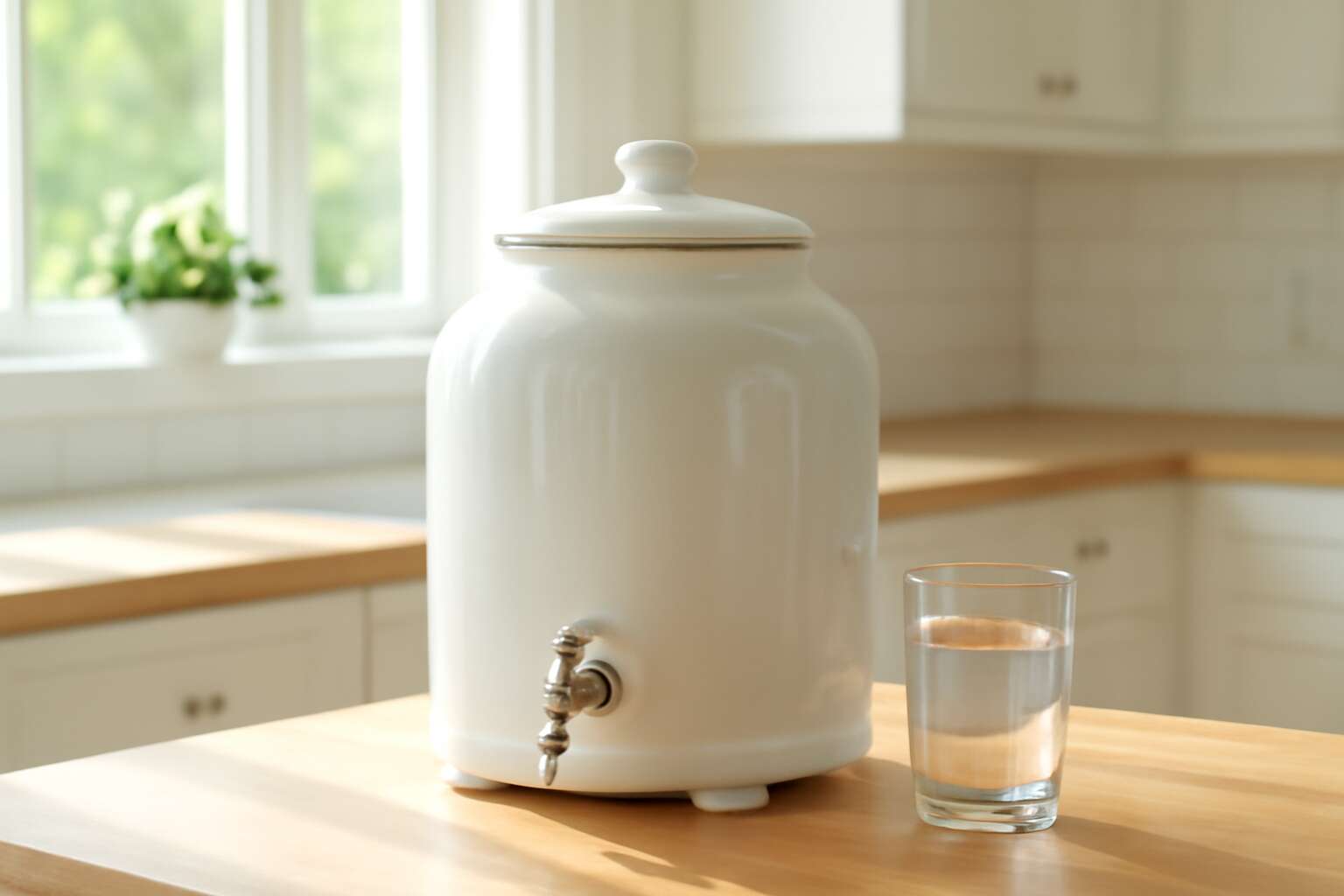
Health and Safety Basics
Safety considerations for ceramic water dispensers
In a country of bright sun and shifting weather, water becomes more than a drink—it is a ritual. Three in ten households in South Africa express concern about water purity, and a pressing question lingers in the kitchen air: are ceramic water dispensers safe? When a vessel is glazed with non-toxic, properly fired materials, it can stand as a quiet guardian of freshness.
Look for lead-free glazes, food-safe labeling, and evidence of quality testing. A glossy, crack-free surface reduces risk, as micro-cracks can harbor grime and tiny leaks may invite contaminants.
Handled with care, ceramic dispensers blend tradition with safety: kept clean and dry and shielded from heat preserve their spell.
Understanding glaze safety: what to look for
In a country painted with sun and sudden rain, the kitchen becomes a quiet temple for water. Are ceramic water dispensers safe? Many households pause on this hinge, wondering what touches the lip each day. The answer glows in glaze and kiln—where craft meets care and the vessel guards purity.
Glaze safety is a pact between materials and firing—an inert seal that keeps the vessel’s heart from the water it cradles. It is the difference between a surface that gleams and one that whispers of leaching or micro-cracks. When the glaze and clay align, the vessel becomes a quiet, glassy guardian.
We speak with care about the chemistry of beauty: craftsmanship and honest storytelling help a customer trust the surface behind the shimmer. The myth reveals itself through experience and data, yet at the table the stable glaze keeps every sip pristine and the ritual intact.
Certifications and standards to verify
In a sunlit South Africa kitchen, health and beauty share the same glaze. The essential question—are ceramic water dispensers safe?—is answered through certifications that prove a vessel’s promise rather than presuming it. Health and safety basics begin with rigorous testing and clear documentation, letting a customer sip with confidence rather than wonder.
Certifications and standards act as the metronome of trust. Look for the following validations that speak to ceramics’ safety for water:
- NSF/ANSI 61 or equivalent drinking-water component certification
- FDA compliance for food-contact surfaces
- Local SABS/SANS standards or equivalent regional certifications
Beyond labels, seek documentation on glaze compatibility and heavy-metal testing. When porcelain and glaze align with the kiln’s careful tempering, the vessel guards purity with quiet grandeur.
How to test for potential contaminants in your dispenser
In the South African kitchen, clean water is a baseline, not a bonus. When people ask are ceramic water dispensers safe, the answer hinges on transparent testing and solid documentation rather than what the box claims.
Health and safety basics begin with credible sampling. Look for independently verified results on heavy metals, leachables, and microbial suitability. A simple rule: if a test report isn’t current or from an accredited lab, treat it as incomplete.
- Heavy metals screen: lead, cadmium, chromium VI, and similar elements.
- Glaze compatibility: ensure the glaze is food-safe and applied to a mature kiln glaze.
- Microbial indicators: check for residual residues and ensure easy cleaning with safe water.
Beyond numbers, keep records: certificates, batch numbers, and test dates create trust where taste alone cannot. Ultimately, the question ‘are ceramic water dispensers safe’ rests on ongoing testing and transparent documentation.
Materials and Construction
Ceramic composition and glaze varieties
South Africa’s water-cooler culture deserves durable vessels—and ceramic dispensers that actually stand up to daily use. Are ceramic water dispensers safe? It starts with materials: high-fire stoneware and porcelain bodies are dense and less porous than earthenware, minimizing seepage and staining. When vitrified and glazed correctly, these ceramics resist mineral leaching and shrug off the occasional hot rinse, keeping water tasting cleaner across a South African kitchen or office counter.
- Lead-free glazes
- Cadmium-free color or opalescent glazes
- Transparent glazes that reveal a clean surface
- Vitreous, non-porous finishes with easy cleaning
Glaze design matters as much as body composition. A well-applied, food-grade glaze creates a non-porous seal that halts leaching and simplifies cleaning. Steer toward glazes that are certified lead- and cadmium-free, and fired to temperatures that achieve vitreous durability. This is the clean path to a long-lasting, safe ceramic dispenser in South Africa’s homes and offices.
Lead and cadmium concerns in glazes and how modern ceramics address them
Are ceramic water dispensers safe? The question “are ceramic water dispensers safe” sits on the lips of SA shoppers, answered in the kiln by durable bodies and tested glazes. In South Africa, durability isn’t a nicety; it’s a necessity.
Materials and construction matter: high-fire stoneware and porcelain bodies are dense and far less porous than earthenware, so they resist mineral staining and survive a daily hot rinse—think reliable workhorse, not fragile ornament.
- Dense, vitrified body options for minimal seepage
- Non-porous glaze finishes that are easy to clean
- Lead- and cadmium-free formulations for safe contact
- Glass-like clarity or stable opacities that reveal a clean surface
Together, these choices offer the quiet assurance South Africans deserve for daily hydration in homes and offices.
Inner liners and coatings: stainless steel vs plastic alternatives
Inner liners and coatings are the hidden guardians of dispenser safety. Stainless steel resists corrosion, remains inert with hot water, and invites thorough sanitization after the daily SA routine. Plastic alternatives—food-grade, BPA-free—offer lightness and cost efficiency but demand careful sourcing and tight tolerances to avoid micro-scratches and staining.
In practice, the choice splits into two reliable paths:
- Stainless steel liners: non-reactive, durable, and easy to sanitize; they shrug off mineral build-up and heavy rinsing.
- Plastic liners: lightweight and affordable when certified as food-grade and BPA-free; modern materials withstand repeated hot-water cycles.
The answer to “are ceramic water dispensers safe” rests on inner materials and coatings—quietly ensuring daily hydration stays pure and dependable for South African homes and offices.
Porosity, sealing, and water contact with ceramics
In the quiet realm where clay meets water, the porosity of the ceramic body decides what stays pristine. The question ‘are ceramic water dispensers safe’ hinges on the dialogue between dense firing and a perfect glaze, which blocks microscopic leaks and wicks minerals away from the drinker’s reach.
Materials and construction come into play with these factors:
- Porosity levels in the ceramic body, shaped by clay choice and firing temperature, determine how much water migrates into the walls.
- Glaze integrity acts as a seal, forming a glassy barrier that resists mineral seepage and keeps contact surfaces smooth.
- Repeated hot-water contact requires stable materials that expand and contract uniformly, preventing micro-cracks that harbor bacteria.
For South African homes and offices, this balance translates into dependable hydration without surprises, as the ceramic vessel captures light and climate while maintaining a safe, clean inner conversation.
Usage and Maintenance
Initial setup and sanitization of a new ceramic dispenser
Across South Africa, households are swapping disposable bottles for durable, reusable options, cutting plastic waste and improving the taste of daily water. This momentum makes the question essential: are ceramic water dispensers safe? The answer hinges on care—glaze integrity, sealing, and regular, gentle cleaning matter more than the material itself.
Initial setup and sanitization for a new ceramic dispenser is a preparatory phase where cleanliness, glaze inspection, and complete drying influence safety. The emphasis is on gentle handling and avoiding harsh cleaners to protect the glaze and keep water pleasant.
Consider these practical, non-technical considerations to maintain safe usage:
- Glaze integrity and absence of cracks
- Secure lid fit and non-toxic materials
- Gentle, non-abrasive cleaning approaches
Safe usage with hot water and cold water
Across South Africa, households swapping disposable bottles for durable, reusable options are cutting plastic waste and keeping water tasting fresher. So, are ceramic water dispensers safe? The answer hinges on care—coatings/finishes, seals, and gentle cleaning—more than on the material itself. With mindful use, hot water and cold water can flow safely, while the vessel remains a reliable everyday utility.
When you use hot water, pre-warm the dispenser to avoid thermal shock. Never pour boiling water into a cold vessel, and give it time to adapt. For cold water, steady use and proper sealing keep flavor and safety intact.
- Gentle, non-abrasive cleaning preserves finish and avoids residue
- Ensure lid fit and seals are non-toxic
- Avoid rapid temperature changes to protect the ceramic
Spigot, lid, and seal maintenance to prevent leaks
Are ceramic water dispensers safe? The answer is found in regular care. A well-kept dispenser keeps flavors honest and leaks at bay, whether you’re filling it in a Cape Town kitchen or a Johannesburg flat, turning daily hydration into a quiet, elegant ritual.
Spigot care matters. Tighten fittings gently, wipe away mineral buildup with warm soapy water, and rinse before reassembly. If drips persist, inspect the nozzle and seal for wear—replace parts as recommended by the maker rather than forcing a fit.
Lid and seal maintenance is the quiet guardian of safety. Keep the gasket clean, dry it thoroughly, and ensure the lid seats evenly. Avoid harsh chemicals; a soft brush and mild detergent protect the glaze while preserving a reliable seal.
- Inspect gaskets monthly and replace if cracking
- Clean spigot with warm soapy water and dry completely
- Ensure lid seals are intact and lid sits evenly
Routine cleaning and mineral buildup prevention
The lingering question are ceramic water dispensers safe? The answer surfaces in routine care—the quiet discipline that preserves glaze integrity and wards off imagined hazards. In South Africa, that discipline turns daily hydration into a calm, refined ritual, from a Cape Town kitchen to a Johannesburg flat.
Maintenance routine and mineral buildup prevention shape safety more than any product label. When the surface stays clear and the water tastes true, the dispenser earns quiet trust—season after season, with soft cloths and mild cleaning whispers that protect the glaze and the vessel’s life force.
Deep in the heart of home water culture, care becomes a ritual that keeps things pure. The more consistently you greet the reservoir with gentle attention, the more the content remains pristine and benign, a testament to careful design meeting mindful use.
Common Concerns and Myths
Do ceramics leach heavy metals into drinking water?
In South Africa, ceramic water dispensers have become a common sight on kitchen counters and office desks. The question still lingers: are ceramic water dispensers safe? Practical testing shows most modern glazes stay inert during typical use, turning worry into informed choice.
Do ceramics leach heavy metals into drinking water? The answer isn’t universal; it hinges on glaze quality and usage. Here are common myths that pop up in households:
- All ceramics contain dangerous metals.
- Leaching happens only with old or damaged ware.
- Visible residue means unsafe water.
For reassurance, choose pieces backed by certification and proper testing. When standards are met, safety becomes a straightforward choice for daily hydration in South Africa, where trusted brands are widely available.
Is ceramic safer than plastic or metal options?
Are ceramic water dispensers safe? The answer isn’t one-size-fits-all, but many South Africans find peace of mind when glaze quality is up to spec and usage is sensible. The question of are ceramic water dispensers safe? is often more about how you treat the vessel than the material itself. On the kitchen counter, a ceramic dispenser carries a quiet confidence that feels almost supernatural in its steadiness.
Compared with plastic, ceramics generally avoid chemical leachables and microplastics. Against metal, a well-made glaze creates an inert surface that resists taste transfer and corrosion. Yet durability matters: chipping or worn edges can change how the water interacts with the surface.
- Weight and practicality: ceramic dispensers are sturdy but heavier than plastic options
- Heat handling: hot water can affect glaze if the ware isn’t rated for high temperatures
When in doubt, choose pieces backed by credible testing and standards to confirm are ceramic water dispensers safe. With mindful care, ceramic remains a trustworthy option for daily hydration in South Africa, where trusted brands are accessible and the water stays the priority.
Can ceramic dispensers be used with boiling water?
Common concerns and myths swirl around boiling water and ceramic shells. The question: are ceramic water dispensers safe? hinges on glaze quality and how the vessel is used, not just the material. A glaze can create an inert surface that resists leaching, yet even sturdy ceramics risk chipping or crazing when heat shifts strike like sudden thunder—there’s a quiet, almost magical certainty on the counter, but it isn’t foolproof.
- Glaze quality and heat tolerance
- Thermal shock resistance
- Manufacturer testing and safety standards
On South African countertops, credible brands publish testing and standards that provide peace of mind, reminding us safety rests in glaze integrity and thoughtful design rather than the base material.
How to differentiate myths from scientific evidence
The question “are ceramic water dispensers safe” sits where glaze integrity meets daily use. Glazes can form an inert barrier, but the real risk isn’t the clay—it’s micro flaws and sudden heat shifts that reveal them. In South African kitchens, brands that test and publish standards offer the truest reassurance.
Common concerns and how to discern myth from science:
- Myth: All ceramic leaches metals into water. Fact: modern glazes meet safety standards and are designed to be inert when used as intended.
- Myth: Any thermal shock will crack a ceramic dispenser. Fact: reputable manufacturers test and optimize glaze and body thickness to resist typical kitchen temperature shifts.
- Myth: Boiling water makes ceramic unsafe. Fact: safety depends on glaze integrity, firing quality, and the absence of micro cracks.
On South African countertops, safety rests with glaze integrity and thoughtful design, not the base material alone. Credible testing and stated standards translate into everyday peace of mind.
Cleaning and Care Best Practices
Safe cleaning agents for ceramic water dispensers
Trust in every sip begins with a clean vessel. The question, are ceramic water dispensers safe, hinges more on how you clean than on the glaze itself. With careful care, ceramic dispensers stay pristine and safe, preserving flavor and health in equal measure.
Safe cleaning agents include simple, non-abrasive choices that respect glaze and contact surfaces.
- Mild dish soap with warm water
- White vinegar and water for mineral buildup
- Baking soda paste for stubborn stains, then rinse
Rinse thoroughly, dry completely, and avoid harsh chemicals or bleach to prevent residue or glaze damage. This steady care reinforces safety and keeps water tasting true.
Cleaning frequency and routine deep cleans
In the meticulous world of hydration, are ceramic water dispensers safe? The answer rests as much on rhythm as on glaze. In South African homes, a steady cleaning cadence keeps vessels pristine, safeguarding both flavor and health, so safety becomes a natural outcome of mindful maintenance rather than a dramatic rescue mission.
- Regularity that matches usage, particularly in hard-water regions common to many South African homes.
- Periodic deep maintenance timed to mineral buildup rates rather than a calendar alone.
- Careful drying and air circulation to prevent damp pockets and musty aromas.
Let routine govern your hydration rituals—consistency earns trust in every pour, and a well-kept vessel continues to serve as a quiet guardian of clean, clear refreshment.
Removing stains and mineral deposits without damaging glaze
In the meticulous dance of maintenance, are ceramic water dispensers safe when stains threaten to cling to gleam? In South Africa, hard water minerals line the glaze, testing its temper; the glaze yields to respect: gentle, regular care that honors porosity and avoids harsh scrubs. “Patience is the solvent,” I remind myself, calm hands restoring luster and trust without drama.
Here are safe, practical steps that respect the glaze:
- Rinse with warm water and a mild, non-abrasive sponge after every use to deter mineral buildup.
- For mineral deposits, use a 1:1 white vinegar solution to lightly soften scale, then scrub gently and rinse thoroughly.
- If spots linger, make a paste of baking soda and water, apply, wait a few minutes, then rinse and air-dry completely.
Finish by a final thorough rinse and air-drying in a well-ventilated space; a well-kept vessel remains a quiet guardian of clean, clear refreshment.
Long-term care: storage, handling, and avoiding chips or cracks
In a country where water quality varies from city taps to rural boreholes, what touches your glass deserves scrutiny. Are ceramic water dispensers safe? The answer hinges on care as much as composition—a well-kept glaze resists chipping and preserves taste, while rough handling invites micro-scratches that invite mineral cling!
Long-term care means calm, consistent storage and mindful handling.
- Store away from extreme heat or direct sunlight to reduce glaze stress.
- Handle with both hands and avoid stacking heavy items on top.
- Inspect surfaces for nicks and use protective mats when resting on hard surfaces.
With the right respect, are ceramic water dispensers safe for daily use in South Africa’s varied climates. A well cared-for vessel ages with you, resisting chips and hairline cracks, and continues to offer clean refreshment.


0 Comments